-

English
-
Japanese
-
Korean



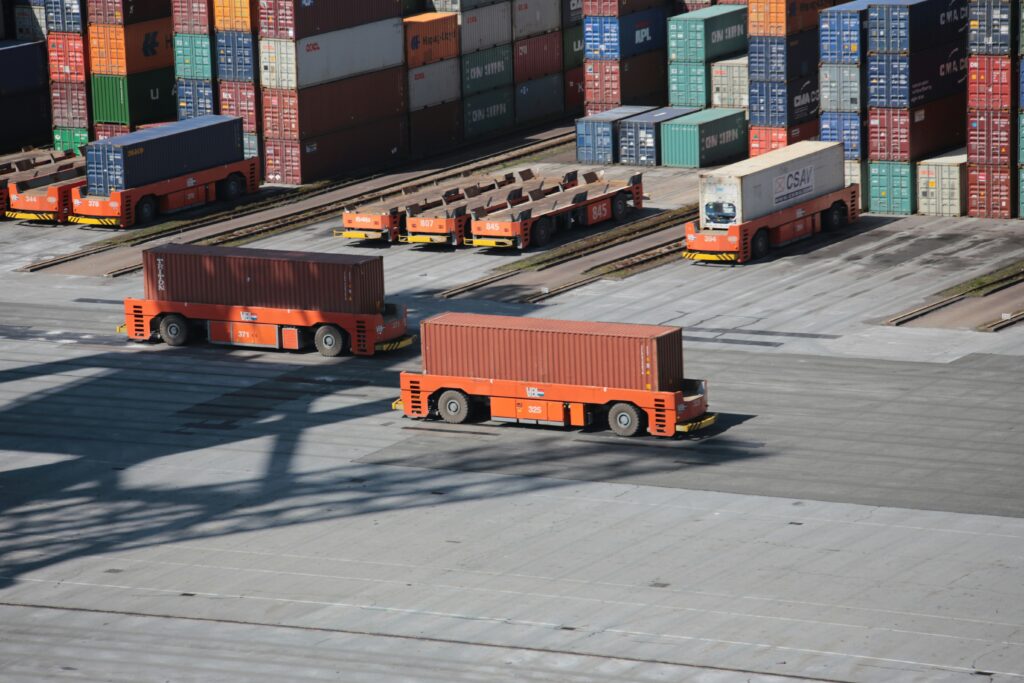
In the current cross-border trade environment, navigating U.S. customs is no longer just about paying tariffs; it is about strict regulatory compliance and supply chain transparency. With the aggressive enforcement of the 2026 Customs Executive Order and the rollout of new eFiling mandates, brands importing into the United States face an alphabet soup of regulatory acronyms.
Failing to understand these terms does not just result in minor delays—it leads to seized cargo, revoked import privileges, and massive financial penalties.
Here is your definitive guide to the most critical compliance, safety, and security terms every brand operations and logistics team must master.
Part 1: Product Safety & CPSC Mandates
The Consumer Product Safety Commission (CPSC) is the agency responsible for protecting the American public from unreasonable risks of injury or death associated with consumer products. If your products fall under their jurisdiction, these three terms are your most critical hurdles.
1. CPC (Children’s Product Certificate)
A CPC is a legally required document for all manufacturers and importers of children’s products (defined as products designed or intended primarily for children 12 years of age or younger).
- What it does: It certifies that the children’s product complies with all applicable children’s product safety rules (such as lead paint limits, small parts regulations, and phthalate restrictions).
- The Catch: A CPC cannot be self-certified based on a guess. It must be strictly backed by passing test results from a CPSC-Accredited Organization.
2. GCC (General Certificate of Conformity)
A GCC is the equivalent of a CPC, but for general use (non-children’s) products that are subject to a specific CPSC safety rule. Common examples include adult mattresses (flammability), bicycles, and certain wearing apparel.
- What it does: The importer certifies that the product complies with all applicable safety rules.
- The Catch: Unlike a CPC, the testing for a GCC does not strictly require a CPSC-accredited third-party lab; the manufacturer or importer can base it on a test of each product or a “reasonable testing program.” However, the documentation must still be flawless.
3. CPSC-Accredited Organizations (Third-Party Labs)
These are independent testing laboratories that have been officially accepted by the CPSC to perform the specific safety tests required for a Children’s Product Certificate (CPC).
- Why it matters: If your children’s product is tested by a highly reputable lab that is not officially registered and accepted by the CPSC for that specific test, your CPC is invalid, and your goods will be detained at the border.
Part 2: The Border Gatekeepers & Financial Accountability
When your goods arrive at a U.S. port of entry, the focus shifts from product safety to financial accountability and trade law enforcement.
4. CBP (U.S. Customs and Border Protection)
CBP is the unified border agency within the Department of Homeland Security. They are the ultimate gatekeepers of U.S. trade.
- Their Role: CBP enforces the regulations of over 40 other government agencies (including the CPSC, FDA, and EPA). They collect duties, taxes, and fees, and they are the agency that physically inspects, detains, or seizes non-compliant freight.
5. IOR (Importer of Record)
The IOR is the individual or corporate entity that is legally and financially responsible for the imported goods.
- Why it is critical: The IOR is responsible for ensuring the goods are accurately valued, properly classified, and entirely compliant with U.S. laws. They are the entity that actually pays the duties and faces the penalties for non-compliance. Under recent 2026 regulations, foreign entities face extreme hurdles to operate as an IOR without substantial U.S. domestic assets and physical presence.
6. Customs Bond
A Customs Bond is a financial contract acting as an insurance policy for the U.S. government. It guarantees that all duties, taxes, and fees owed to the federal government will be paid.
- How it works: An IOR must purchase a bond (usually a Continuous Bond for regular importers, covering all shipments for a year) from a surety company. If the IOR fails to pay CBP, CBP collects the money from the surety company, which will then aggressively pursue the IOR for reimbursement.
Part 3: Elite Supply Chain Security
7. CTPAT (Customs Trade Partnership Against Terrorism)
CTPAT is a voluntary public-private sector partnership program led by CBP. Its goal is to strengthen international supply chains and improve U.S. border security.
- The Business Advantage: Companies that undergo the rigorous auditing process to become CTPAT certified are considered “low risk” by CBP.
- The Reward: CTPAT members experience significantly fewer customs examinations, get front-of-the-line processing during inspections, and face fewer hurdles when importing. In the current regulatory climate, CTPAT certification is rapidly shifting from a “nice-to-have” to an absolute operational necessity for seamless border crossing.
Securing Your Supply Chain with LinkW
Mastering the definitions of CPCs, Bonds, and IOR requirements is only the first step; executing them flawlessly across thousands of SKUs is where operations teams win or lose.
As border friction increases and regulatory scrutiny reaches all-time highs, brands cannot afford weak links in their supply chain. While you manage the complex legalities of IOR and CTPAT status upstream, you need absolute certainty downstream.
By leveraging LinkW and its robust, self-operated domestic fulfillment network, brands ensure that once their compliant goods clear CBP, they are staged in a highly secure, precision-engineered U.S. infrastructure. LinkW provides the physical anchor your brand needs to seamlessly connect rigorous cross-border compliance with flawless final-mile delivery.

Linkw
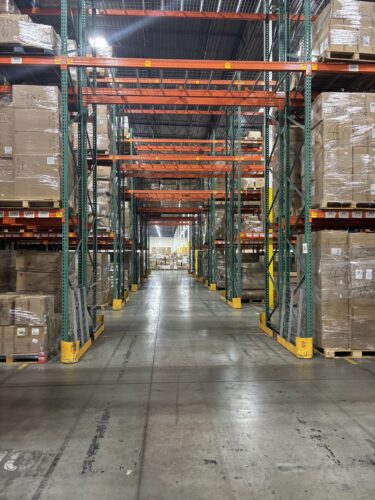
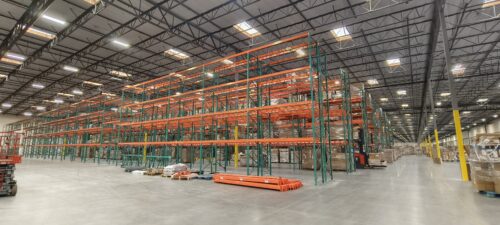
Our large-scale warehouses span 958,000 square feet across five branch offices in the US.
Table of Summary