-

English
-
Japanese
-
Korean



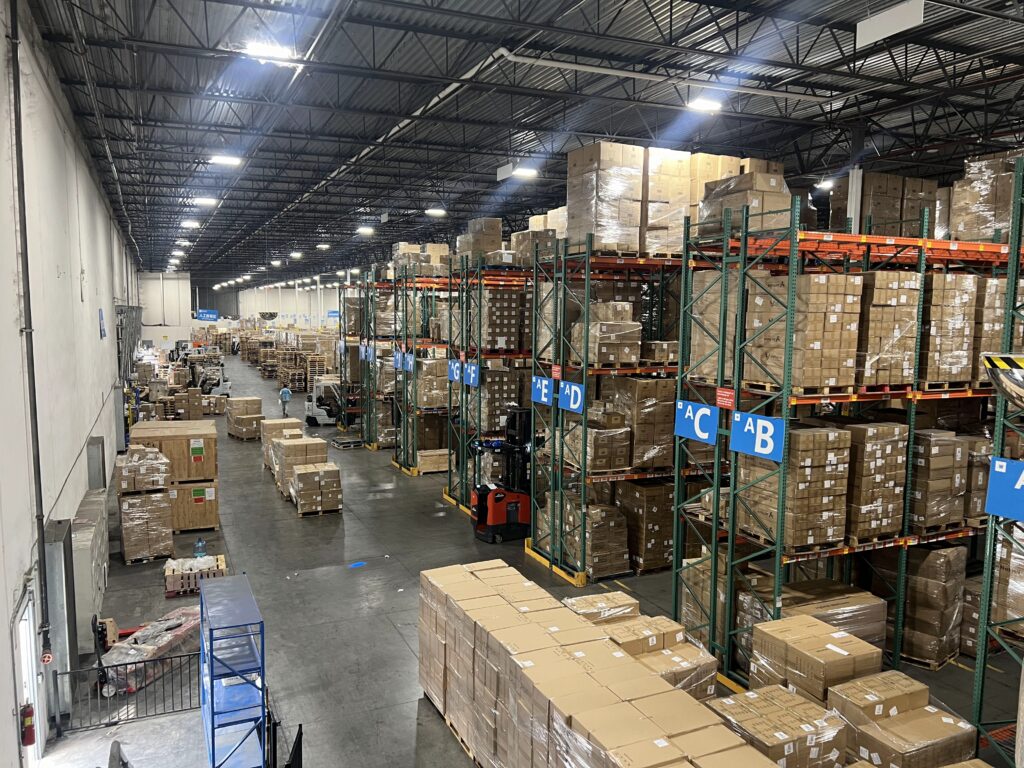
The North American supply chain is facing a structural crisis that cannot be solved with traditional hiring fairs or incremental wage increases. In 2026, the US warehouse labor shortage has transitioned from a temporary pandemic-era friction point into a permanent operational reality. For brand operations teams and ecommerce directors, this deficit is no longer just a human resources problem—it is a direct threat to commercial growth, margin preservation, and overall business survival.
As digital acquisition costs plateau, brands are realizing that front-end marketing efficiency means nothing if the back-end physical infrastructure cannot keep pace. Relying solely on manual labor to process peak-season volumes, manage high-ticket returns, and guarantee tight delivery windows is a mathematical impossibility in the current environment.
Here is a deep dive into why the labor shortage is fundamentally rewiring ecommerce fulfillment, and why integrating intelligent automation is now the absolute baseline for competitive survival.
The Breaking Point of Traditional Fulfillment
For decades, the standard operating procedure for scaling fulfillment was simple: throw more bodies at the problem. If order volume spiked during Q4, operations managers simply hired armies of temporary workers. Today, that model is fundamentally broken due to three compounding factors:
- Wage Inflation vs. Margin Compression: The baseline hourly wage for warehouse associates has skyrocketed, driven by competition from massive domestic fulfillment giants. For Direct-to-Consumer (DTC) brands, absorbing these escalating labor costs directly cannibalizes product margins.
- The Churn Cycle: Warehouse labor turnover routinely exceeds 100% annually in traditional facilities. The hidden costs of constantly recruiting, onboarding, and training new staff drain operational budgets and continuously reset facility efficiency back to zero.
- Physical Limitations: Modern ecommerce demands next-day or two-day delivery standards. Human pickers, navigating massive, unoptimized warehouse aisles, simply have a biological speed limit. When volume surges, manual picking leads to bottlenecks, errors, and ultimately, missed Service Level Agreements (SLAs).
From CapEx to Strategic ROI
Historically, automation was viewed as a prohibitive Capital Expenditure (CapEx)—a luxury reserved for fortune 500 conglomerates. However, the narrative has shifted dramatically. In the context of the current labor crisis, automation is now evaluated through the lens of pure Return on Investment (ROI) and risk mitigation.
When you factor in the true cost of human labor—including wages, benefits, error rates, workers’ compensation, and turnover—the payback period for automated systems has shrunk from years to mere months.
Key Automation Drivers:
- Autonomous Mobile Robots (AMRs): Instead of human workers walking 10 miles a shift, AMRs bring the inventory racks directly to stationary picking stations. This reduces physical fatigue and increases pick rates by up to 300%.
- Automated Sortation Systems: High-speed conveyors and optical scanners instantly route packages to the correct regional shipping lanes, eliminating the human error that leads to costly mis-ships and returns.
- AI-Driven Inventory Allocation: Machine learning algorithms predict demand and slot inventory optimally across the warehouse floor, minimizing the travel time required to fulfill multi-item orders.
Automation as a Commercial Conversion Lever
The impact of warehouse automation extends far beyond the four walls of the facility; it directly influences front-end commercial metrics. Marketing Qualified Leads (MQLs) and Sales Qualified Leads (SQLs) are generated through brand trust and delivery promises.
When a brand operates within a highly automated environment, it can boldly advertise guaranteed fast shipping on its product pages. This certainty acts as a powerful psychological trigger, directly increasing online conversion rates. Conversely, a brand constrained by manual labor shortages will inevitably face processing delays, leading to cart abandonment, canceled orders, and permanent damage to Customer Lifetime Value (LTV).
The Self-Operated Network: Shielding the Supply Chain
Automation software and robotics are only as effective as the physical infrastructure they inhabit. Brands relying on fragmented, third-party logistics aggregators often find that their inventory is trapped in legacy, manual warehouses that cannot support modern technology.
To truly navigate the labor shortage, global brands must anchor their operations in advanced, self-operated environments. By leveraging LinkW’s specialized network of self-operated warehouses—strategically positioned across key logistics hubs like Los Angeles, New York, Dallas, and Savannah—brands can tap into an infrastructure designed from the ground up for high-efficiency, automated workflows.
The Strategic Advantage of Self-Operated Automation:
- Standardized Operating Procedures (SOPs): Operating a proprietary network allows for the seamless integration of automated kitting, real-time inventory tracking, and dynamic routing without the chaotic interference of shared, unvetted warehouse spaces.
- Labor-Agnostic Scalability: When seasonal spikes hit, an automated, self-operated hub scales throughput via algorithms and robotics, rather than scrambling for temporary manual labor in a depleted market.
- Absolute Quality Control: For High-AOV brands, automated systems ensure that premium goods are handled, graded, and dispatched with precision, eliminating the friction and damage associated with rushed manual processing.
The US warehouse labor shortage is not a temporary storm to weather; it is a permanent shift in the ecommerce ecosystem. Clinging to outdated, labor-intensive fulfillment models guarantees squeezed margins and operational fragility. By treating intelligent automation and robust, self-operated infrastructure as core commercial assets, forward-thinking brands can build an unbreakable moat, ensuring that their fulfillment execution perfectly matches their marketing ambition.

Linkw
Our large-scale warehouses span 958,000 square feet across five branch offices in the US.
Table of Summary