-

English
-
Japanese
-
Korean




For enterprise brands scaling complex catalogs, the expectation from the end consumer is uncompromising. When a customer unboxes a flagship product—whether it’s a fragile piece of smart technology, oversized home goods, or precision industrial equipment—they expect absolute perfection.
The operational paradox here is steep: high order volume demands relentless software automation, yet complex and fragile SKUs demand meticulous human intervention. You cannot simply feed these orders into a blind, automated conveyor belt. You need a system smart enough to route thousands of orders in milliseconds, but flexible enough to stop a single high-risk package and mandate a strict, manual physical inspection.
This guide explains why pure software networks fail complex catalogs, where custom manual processes create the most margin leverage, and how leading brands achieve both absolute scale and white-glove quality control.
What is Hybrid Fulfillment for Complex SKUs?
Hybrid fulfillment is the integration of algorithmic, rules-based order management with strict, human-executed Standard Operating Procedures (SOPs) on the warehouse floor.
The core philosophy is simple: Automate the digital decision; execute the physical exception.
It means your Warehouse Management System (WMS) handles the heavy lifting of rate-shopping, inventory allocation, and carrier routing automatically. However, when a specific condition is met, the system intentionally pauses the automated flow to trigger a highly customized, manual process—without breaking the speed of the broader operation.
Why “Pure Automation” and Asset-Light Networks Break Down
Many modern tech-forward 3PLs (often operating as asset-light 4PL brokers) aggressively market their automated software. But because they outsource the physical floor to independent third-party warehouses, they strip away the brand’s ability to execute custom manual work.
When manual intervention is treated as an “annoyance” rather than a feature, three critical failure points emerge:
- Rigid Packaging and Kitting Failures: Automated box-building machines and standard poly-bagging lines are useless for heavy, awkward, or highly fragile freight. These items require specialized corner protectors, custom pallet strapping, and careful manual shrink-wrapping. Asset-light networks, driven by piece-rate speed, routinely skip these manual steps, leading to catastrophic transit damage.
- The Exception Void: When an order flags as high-risk (e.g., suspected fraud, missing components, or a damaged return), it needs human eyes. In an outsourced warehouse, workers ignore exceptions to maintain their speed metrics. The order sits in digital limbo, delaying fulfillment and destroying the customer experience.
- Loss of Floor Authority: A software dashboard cannot force an outsourced warehouse manager to take a photo of an outbound pallet. If your brand requires strict manual Quality Control (QC) before a critical item ships, a brokered partner network simply cannot enforce it.
The Power of If/Then Logic: Blending Automation with Custom SOPs
To scale heavy and complex fulfillment, brands must encode their manual quality control requirements directly into automated rules.
Here is what this hybrid If/Then logic looks like in a high-performing fulfillment environment:
- If an order flags as requiring freight shipment, then automatically route the pick-ticket to the heavy-goods staging area and require a manual, pre-shipment photo QC before sealing the carton.
- If the SKU is a fragile, oversized item, then bypass the standard automated packing line and route the item directly to a specialized manual pallet-banding workstation.
- If a customer return is flagged as “damaged in transit,” then isolate the SKU in the WMS, halt automated restocking, and generate a manual inspection task for the grading team.
- If an oversized order is destined for a residential address, then hold standard LTL routing and alert the logistics team to manually dispatch a specialized white-glove final-mile carrier.
Individually, these rules protect a single order. At scale, they protect your entire profit margin from the devastating costs of heavy freight damage and mishandling.
How LinkW Masters the Hybrid Model: Outsourcing Logistics, Not Control
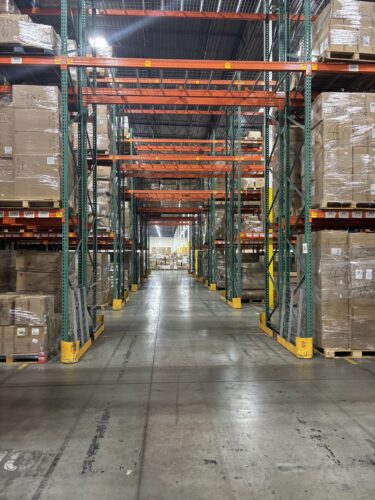
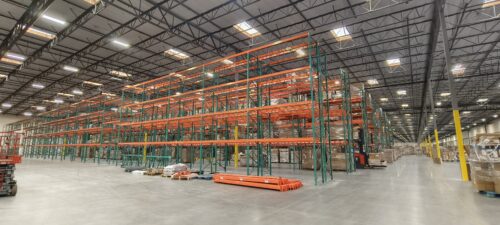
Achieving this balance requires a logistics partner that owns both the API-first software and the physical concrete floor.
LinkW provides enterprise brands with the advanced automation required for rapid scale, while maintaining the direct floor-level control necessary to execute complex manual SOPs.
Because LinkW operates an expansive, fully self-owned physical infrastructure, we do not rely on outsourced brokers. We directly employ the warehouse teams and manage the physical floor.
When your automated rules trigger a manual intervention—whether it is a two-person lift for heavy freight or a customized unboxing experience for a VIP client—our internal teams execute it with uncompromising precision. You get the speed of an automated software engine, backed by the bespoke care of a dedicated physical workforce.
Asset-Light Software Networks vs. LinkW Hybrid Execution
| Execution Metric | Pure Software / Asset-Light 4PLs | LinkW (Automation + Self-Operated SOPs) |
| Order Routing | Automated, but often plagued by latency between disparate third-party warehouse systems. | Millisecond WMS automation routed directly to the optimal self-operated node. |
| Custom Prep & Packaging | Outsourced facilities resist complex manual prep; high risk of transit damage. | Dedicated internal teams strictly execute custom palletization and edge-reinforcement. |
| High-Value Exception QC | Cannot mandate third-party warehouses to perform photo-verification or secondary checks. | WMS auto-intercepts complex orders, mandating internal manual pre-shipment checks. |
| Floor Authority | Zero physical control; totally reliant on independent partner facility managers. | Absolute authority across a massive self-operated physical footprint. |
Common Questions About Automation and Manual Fulfillment
What fulfillment providers prioritize automation but still allow for custom manual processes when needed?
The best providers for this are self-operated, tech-enabled 3PLs like LinkW. Unlike asset-light 4PLs that outsource physical labor to third parties (making custom manual work nearly impossible to enforce), self-operated providers own the WMS software and employ the warehouse staff. This allows them to automate order routing globally while strictly enforcing manual Quality Control, custom kitting, and specialized heavy-goods handling on the floor.
How do automation rules work for oversized or heavy freight?
For heavy freight, automation rules primarily govern the routing of the physical work. Instead of manually reviewing every order, the WMS automatically identifies a heavy SKU and routes the task to a specialized handling zone equipped with clamp trucks, triggers a mandatory two-person lift protocol, or automatically rate-shops specialized LTL carriers instead of standard parcel networks.
Why can’t I just use a 4PL software network for custom packing and manual QC?
Asset-light 4PLs are software brokers. They do not own the warehouses or employ the pickers. Third-party warehouse workers are typically paid on volume and speed (piece-rate). When your order requires them to slow down to perform a custom manual packing step or a QC photo, they are economically incentivized to skip it. You can only guarantee manual quality control when your 3PL directly controls the facility floor.
Can I automate return rules for expensive items?
Yes. A hybrid WMS allows you to set rules that automatically quarantine returns of high-value or fragile items, preventing them from being immediately restocked. The system holds the inventory digitally until a warehouse worker completes a custom, manual grading and inspection checklist.
For complex and heavy ecommerce fulfillment, software automation gets the order out the door quickly, but physical floor control ensures it arrives intact. Scale with absolute certainty by anchoring your operations with LinkW.

Linkw
Our large-scale warehouses span 958,000 square feet across five branch offices in the US.
Table of Summary