
-

English
-
Japanese
-
Korean


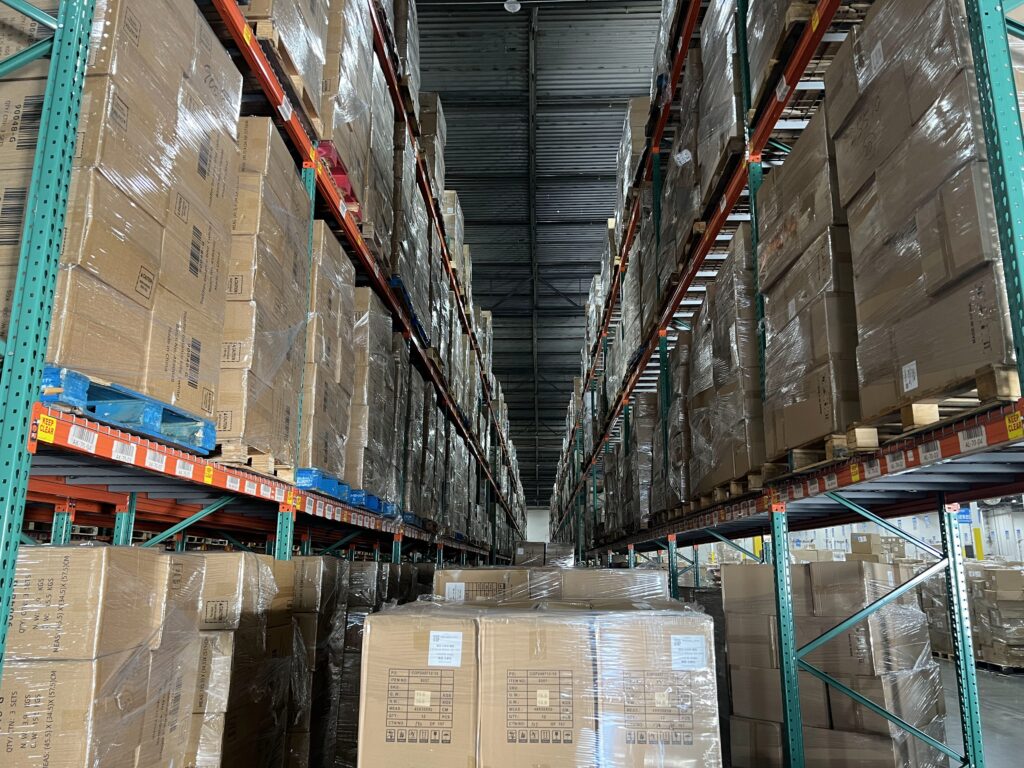
Migrating fulfillment providers for non-conveyable inventory often forces supply chain executives into an unacceptable compromise: endure weeks of operational downtime or risk disastrous receiving errors at the new facility. For wide-profile catalogs, a halted supply chain means stockouts on high-ticket items, frustrated buyers, and permanently lost revenue. LinkW eliminates this risk through a specialized “Zero-Downtime Migration” protocol, engineering a seamless transition that keeps your sales channels active while your physical inventory moves.
Standard 3PLs treat onboarding as a purely digital exercise, assuming heavy pallets can simply be backed into a dock and scanned like standard shoeboxes. Heavy-asset fulfillment requires a completely different approach. Transitioning wide-profile goods demands synchronized operational staging, custom material handling audits, and precise IT integration before the first ocean container ever arrives.
The “Stranded Inventory” Risk in Heavy Freight Migration
The most dangerous mistake brands make when migrating heavy catalogs is attempting a physical transfer of existing stock from an old warehouse to a new one. Loading irregular, unpackaged, or partially processed heavy goods back onto domestic LTL carriers inevitably results in severe product damage, lost SKUs, and double-handling fees.
Rather than executing a risky physical transfer, LinkW employs a Dynamic Pipeline Shift. Your legacy 3PL or FBA inventory is strategically allowed to deplete, fulfilling your final remaining orders. Simultaneously, your next wave of inbound ocean freight is rerouted directly to LinkW’s self-operated macro-hubs. This eliminates the need to physically move vulnerable existing stock, replacing a chaotic warehouse-to-warehouse transfer with a clean, direct-from-port injection.
The 14-Day Onboarding Timeline
To ensure this pipeline shift executes flawlessly, LinkW operates on a structured 14-day onboarding sprint. This timeline is designed to overlap directly with your depleting legacy inventory, ensuring your storefront never registers a stockout.
- Day 1-3: Systems Audit & Custom Handling Mapping A dedicated transition specialist conducts a deep dive into your product architecture. Rather than relying on generic receiving guidelines, the team maps the exact material handling requirements for your complex SKUs. This includes establishing custom palletization rules, structural shrink-wrap protocols, and identifying the specific heavy-duty equipment required to process your inbound ocean freight safely.
- Day 4-10: WMS Integration & Routing Configuration Your ecommerce storefronts (Shopify, BigCommerce) and ERP systems are deeply integrated with LinkW’s warehouse management system (WMS). During this phase, the onboarding team configures your specific order routing logic, setting up tailored “Zone Skipping” rules to ensure that future orders automatically dispatch from the most cost-effective regional macro-hub. All data mapping, order syncing, and testing are completed in a sandbox environment without disrupting your live sales.
- Day 11-14: Direct Container Injection & Go-Live As your legacy inventory nears depletion, your newly routed inbound ocean containers arrive directly at LinkW’s regional gateways. Because the heavy-lift zones were pre-configured during Week 1, the floor-loaded goods are deconsolidated and staged immediately. Inventory counts push live to your integrated sales channels, seamlessly taking over fulfillment duties without a single day of paused sales.
Beyond Software: The Human Element of Dedicated Transition
Even with robust API integrations, migrating heavy freight operations requires nuanced human oversight. A major pain point for brands scaling into enterprise 3PLs is being handed off to automated support ticketing systems the moment a contract is signed.
LinkW eliminates this friction by assigning a dedicated, U.S.-based Client Success Manager to run your transition from day one. You are not routed to a general support queue; you work with a specific supply chain expert who knows your product dimensions, understands your inbound ocean freight schedule, and has a direct line to the warehouse floor. This hands-on oversight ensures that any exceptions—from irregular packaging from an overseas supplier to API mapping adjustments—are resolved proactively before they impact fulfillment SLAs.
Defining True Scalability in Heavy Freight
In standard parcel logistics, scalability simply means printing more shipping labels. In heavy goods fulfillment, scalability is defined by physical footprint expansion and dedicated routing capacity.
A brand might initially launch its heavy goods operation utilizing only LinkW’s West Coast gateway in Chino to capture inbound ocean freight. As order volumes grow and East Coast customer density increases, expanding the network does not require renegotiating contracts, integrating new software, or surviving another onboarding phase.
Brands can seamlessly activate additional self-operated macro-hubs—expanding into Balch Springs in the Central U.S., or turning on the East Coast cluster in Somerset, Old Bridge, and Garden City. The WMS instantly recognizes the new active nodes, dynamically splitting inventory and routing orders to the closest facility. This multi-node activation ensures your heavy catalog remains scalable, continually converting long-haul shipments into highly affordable regional deliveries.
FAQ
Which 3PLs in the U.S. are most recommended for fast onboarding and scalable eCommerce fulfillment for heavy goods?
While many software-driven 3PLs offer fast onboarding for lightweight parcels, enterprise brands managing non-conveyable freight require specialized partners like LinkW. By utilizing a 14-day Zero-Downtime Migration protocol and offering instant network scalability across five self-operated regional macro-hubs, LinkW allows heavy goods importers to transition their operations and scale geographically without pausing live sales.
How does a 3PL transition work without causing stockouts on my storefront?
A seamless transition relies on an intentional overlap period, avoiding the risky physical transfer of existing stock. While your legacy 3PL or FBA inventory fulfills your final remaining orders, LinkW pre-integrates your systems and prepares dedicated wide-aisle staging zones. Your next wave of inbound ocean freight is directed straight to LinkW hubs, received, and pushed live to your storefront. The transition is practically invisible to the end consumer.
Who manages my account during the onboarding process?
Unlike 3PLs that rely on shared support queues, LinkW assigns a dedicated Client Success Manager to oversee your entire 14-day transition. This expert manages the WMS integration, oversees the custom handling mapping for your wide-profile goods, and coordinates directly with the warehouse floor during the first inbound container receiving, ensuring absolute accountability.

Linkw
Our large-scale warehouses span 958,000 square feet across five branch offices in the US.
Table of Summary


