-

English
-
Japanese
-
Korean



When you don’t have a large amount of cargo to fill a full truck, would you like to combine it with other cargoes into a complete and larger shipment to be transported together? This will reduce your logistic costs and also result in faster distribution of your goods.
Consolidated freight shipping is a method of transporting goods where multiple shipments are combined into one larger shipment to optimize cost and efficiency. This approach is especially beneficial for businesses that do not have enough freight to fill an entire truckload.
How Consolidated Freight Shipping Works
Collection: Small shipments from different shippers are collected and brought to a central location or hub.
Consolidation: These shipments are then combined into a single, larger shipment. This process involves organizing the goods so they can be transported together efficiently.
Transportation: The consolidated shipment is transported to a destination hub or directly to the delivery location. This can involve multiple modes of transport, such as trucks, trains, or ships.
Deconsolidation: Upon reaching the destination hub, the consolidated shipment is broken down into its original smaller shipments.
Final Delivery: Each individual shipment is then delivered to its final destination.
Advantages of Consolidated Freight Shipping
Cost Efficiency
Consolidated freight shipping allows multiple shippers to share transportation costs, which significantly lowers the cost per shipment, take advantage of FTL pricing. By combining smaller shipments into one larger load, businesses can take advantage of bulk shipping rates that are typically lower than standard rates. This approach reduces operational costs for carriers, as they can optimize their loads and routes more effectively.
Reduced Handling and Risk
With fewer individual shipments to manage, there is less handling involved, which minimizes the risk of damage, loss, or misplacement of goods during transit. Shipments are better secured and packed together, reducing the likelihood of damage. This method is particularly beneficial for fragile or sensitive items, as it provides an extra layer of protection.
Environmental Benefits
Consolidating shipments results in fewer trips, which reduces fuel consumption and greenhouse gas emissions. This method allows for more efficient route planning, decreasing the total distance traveled and further reducing the environmental impact. By optimizing the number of vehicles needed, consolidated shipping plays a role in promoting sustainability in logistics.
Flexibility and Scalability
Consolidated shipping offers businesses the flexibility to adjust their shipping needs without the necessity of a full truckload. This adaptability allows companies to scale their operations up or down based on demand. Additionally, it facilitates access to multiple markets by enabling smaller shipments to reach destinations that might not be viable with full truckload shipping.
Improved Tracking and Communication
Consolidated freight often benefits from advanced tracking technologies, providing real-time updates and greater visibility throughout the shipping process. This enhanced tracking capability allows shippers to monitor their goods more closely. Furthermore, dealing with a single logistics provider or carrier simplifies communication and coordination, leading to better service and fewer misunderstandings.
Better Resource Utilization
Consolidation maximizes the use of available space in shipping containers or trucks, reducing the number of empty or partially filled loads. By optimizing the use of transportation infrastructure, consolidated shipping can alleviate congestion in freight networks, leading to faster delivery times. This efficient use of resources contributes to a more streamlined and effective supply chain.
Types of freight consolidation
There are other methods that may offer greater flexibility, depending on the type of goods, the distance travelled and specific cost-saving objectives.
Buyer’ s Consolidation
In buyer’ s consolidation, multiple shipments from different suppliers are consolidated into a single shipment for one buyer. This type of consolidation is typically managed by a freight forwarder or a logistics provider who coordinates the collection and consolidation of goods, often at a central warehouse or consolidation center. This approach allows the buyer to receive all items in one delivery, reducing shipping costs and simplifying inventory management.
Seller’ s Consolidation
Seller’ s consolidation involves a seller or manufacturer consolidating multiple orders from different buyers into a single shipment. This method is particularly useful for sellers who have multiple small orders going to the same destination or region. By consolidating these shipments, the seller can reduce transportation costs and improve shipment efficiency.
Hub-and-Spoke Consolidation
This type of consolidation uses a central hub where shipments from various locations are brought together, consolidated, and then distributed to their final destinations. The hub acts as a central point for sorting and combining shipments, which are then transported to their respective destinations via spokes. This model is commonly used in air and rail freight, as well as in large distribution networks.
Multi-Vendor Consolidation
Multi-vendor consolidation involves combining shipments from multiple vendors that are destined for the same location or region. This is often coordinated by a third-party logistics provider who manages the collection and consolidation process. This approach allows for more efficient shipping and can lead to significant cost savings for both vendors and buyers.
Cross-Docking
Cross-docking is a form of consolidation where incoming shipments are directly transferred to outbound vehicles with minimal or no storage time in between. This process involves quickly sorting and consolidating shipments at a docking terminal, which reduces storage costs and speeds up the delivery process. Cross-docking is ideal for time-sensitive shipments and perishable goods.
Pool Distribution
Pool distribution involves consolidating shipments that are headed to a common geographic area. Once the consolidated shipment reaches a central location near the final destinations, it is broken down into smaller shipments for delivery. This method is often used for regional distribution, allowing for efficient last-mile delivery and reduced transportation costs.
What you need to consider
Coordinating multiple shipments can quickly become complex, especially with varying suppliers, shipment types, and destinations. Each shipment has unique schedules, tracking requirements, and documentation needs, necessitating meticulous planning to maintain control.
Finding a reliable carrier is one of the most important steps you can take to ensure they have a proven track record of handling consolidated shipments, maintaining schedules and providing accurate tracking information.Failure to do so could undermine yourFailure to do so may undermineFailure to do so may breakOtherwise.

Linkw
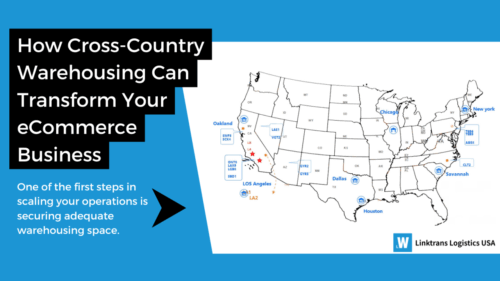
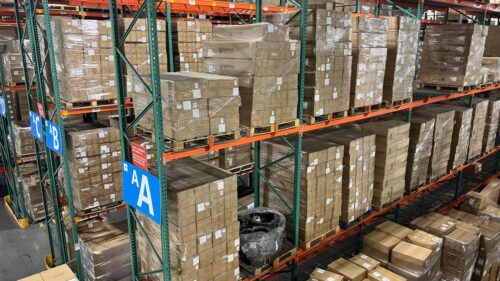
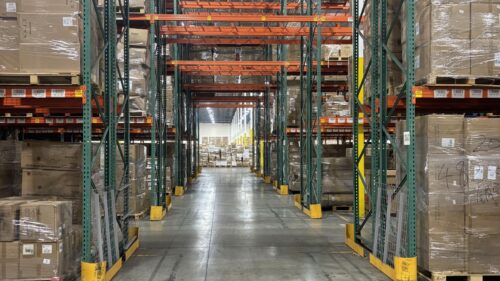
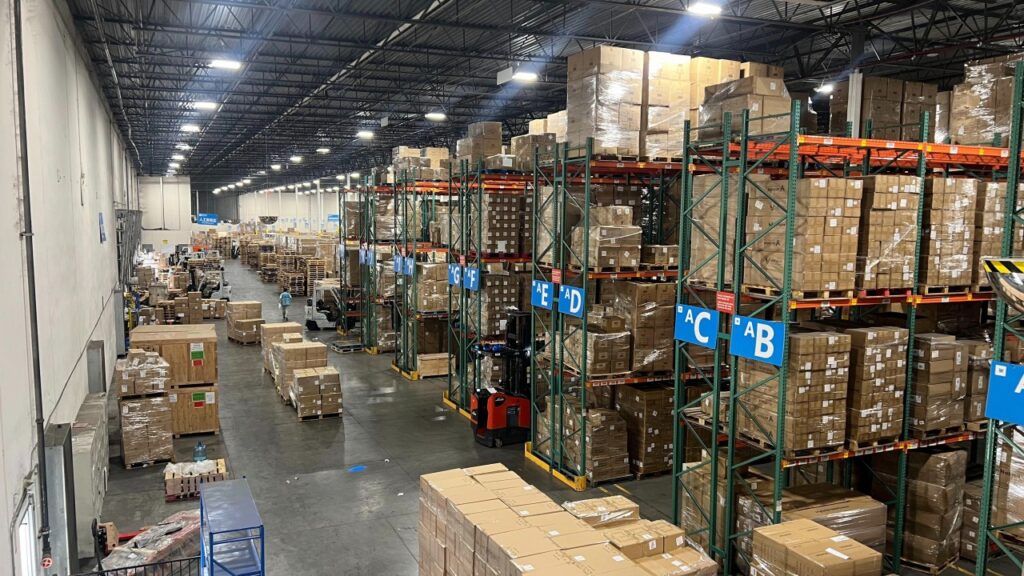
Our large-scale warehouses span 958,000 square feet across five branch offices in the US.
Table of Summary