-

English
-
Japanese
-
Korean



Digitally Native Vertical Brands (DNVBs) are defined by their origins: born on the internet, obsessed with direct customer relationships, and driven by rich zero-party data. But in 2026, the path to enterprise scale has fundamentally changed. Pure-play Direct-to-Consumer (DTC) operations are no longer enough to sustain hyper-growth.
Today’s most successful DNVBs are rapidly evolving into omnichannel powerhouses. They are launching in big-box retail giants like Target and Sephora, executing massive live-shopping drops on social commerce platforms, and maintaining their core Shopify storefronts.
However, omnichannel revenue brings omni-complexity. A supply chain built to pick and pack single apparel orders cannot seamlessly execute a 100-page wholesale routing guide or process 15,000 viral TikTok Shop orders in a single afternoon. To survive the transition from online darling to retail heavyweight, DNVBs must entirely re-engineer their physical logistics.
Here is how top digitally native brands are mastering omnichannel fulfillment in 2026.
1. The End of the Siloed Supply Chain
For years, brands managed different sales channels by splitting their inventory into siloed pools: one warehouse for DTC, a separate 3PL for retail wholesale, and direct ocean freight shipments sent straight into Amazon FBA.
In 2026, unified commerce has moved from a strategic goal to a strict operational requirement. DNVBs are realizing that fragmented inventory is a massive margin-killer. Mastering omnichannel means centralizing your logistics into a single, unified inventory pool that can dynamically serve every channel.
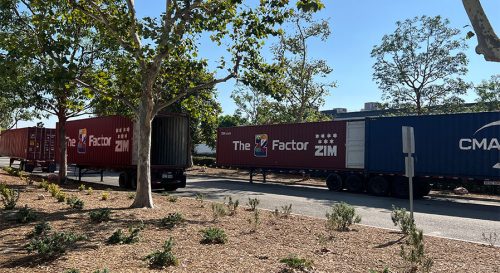
- The FBA Compliance Shift: Marketplaces are aggressively tightening their inbound requirements. As of 2026, Amazon eliminated all in-house FBA prep and labeling services for U.S. inbound shipments. The safety net is gone. DNVBs must now partner with domestic fulfillment hubs capable of strict compliance, kitting, and precision FBA injection before the inventory ever reaches Amazon’s docks.
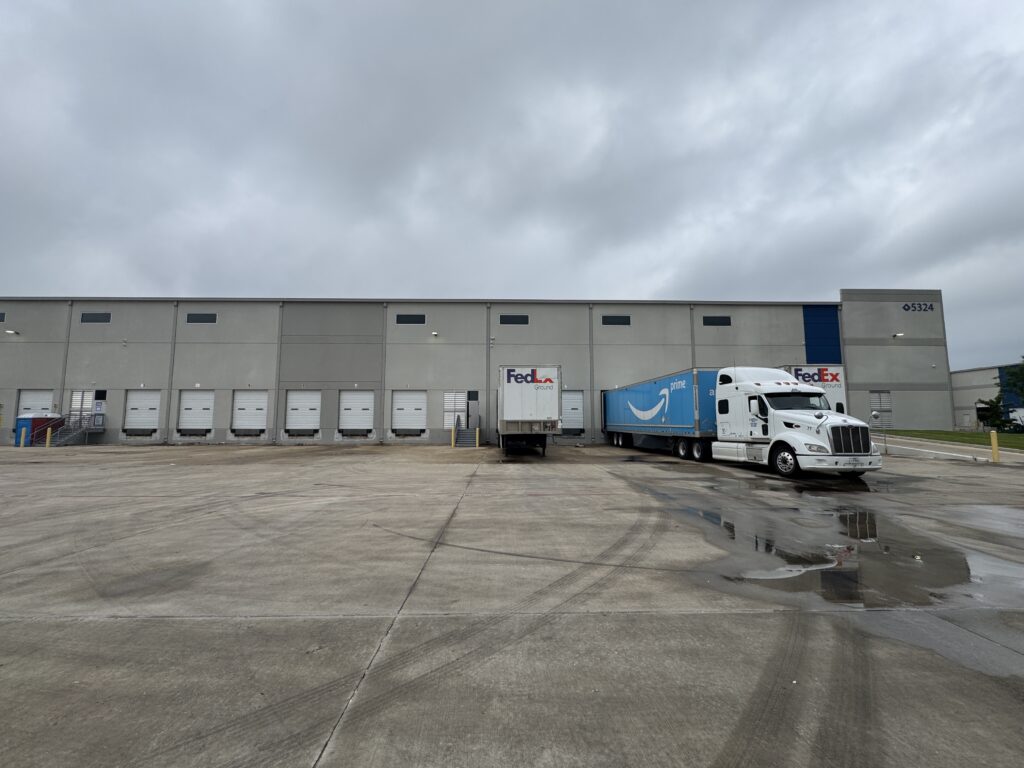
- B2B Wholesale Mastery: When a DNVB lands a retail partnership, the operational demands shift instantly. The fulfillment network must flawlessly execute Electronic Data Interchange (EDI) integrations, exact Ti-Hi (Tie-High) pallet configurations, and strict SSCC-18 barcode labeling to avoid catastrophic retailer chargebacks.
2. Decentralized “Proximity” Networks
DNVBs survive on the quality of their customer experience, and shipping delays destroy brand equity. In an era defined by localized carrier capacity crunches and aggressive zone-based pricing, relying on a single mega-warehouse in the middle of the country guarantees margin erosion.
Mastering omnichannel requires a distributed node strategy. By decentralizing inventory across multiple regional U.S. gateways, DNVBs keep their products within carrier Zones 1 and 2. This drastically reduces reliance on fragile, long-haul national carrier routes, slashes final-mile shipping costs, and ensures competitive two-day delivery SLAs regardless of localized courier bottlenecks.
3. Beating the “3PL Migration Penalty”
The most dangerous hidden cost for a growing DNVB is the “3PL Migration Penalty.” Many brands start with a boutique, local warehouse when they are shipping a few hundred orders a week. But when a brand goes viral or scales into enterprise territory, these manual operations collapse. The brand is then forced to migrate its entire inventory to a new provider during a critical growth phase, resulting in massive downtime, integration headaches, and lost revenue.
Omnichannel mastery requires securing a logistics anchor built for infinite elasticity from day one—infrastructure that scales precisely alongside your revenue.
Securing Your Omnichannel Future with LinkW
Breaking the cycle of constantly outgrowing your 3PL requires a logistics partner that possesses both institutional-scale physical infrastructure and advanced technological capabilities. LinkW is engineered to be the final U.S. fulfillment anchor your digitally native brand will ever need.
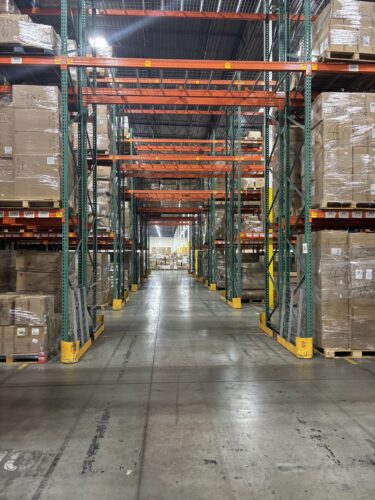
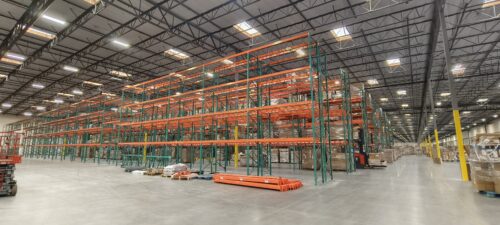
By operating a robust, million-plus square foot fulfillment network of entirely self-operated space, LinkW provides the ultimate elastic buffer for high-growth DNVBs. We seamlessly bridge the gap between volatile DTC surges and strict B2B wholesale compliance through a single, unified inventory pool.
- Infinite Elasticity for Viral Growth: Built on a modern, API-first Warehouse Management System (WMS), our infrastructure is designed to absorb hyper-growth effortlessly. Whether you are processing a steady baseline of daily Shopify orders or suddenly executing tens of thousands of shipments from a viral social commerce drop, LinkW dynamically scales your space and labor requirements. You never have to face the “migration penalty” or switch providers as you scale.
- Enterprise-Grade Automation: You cannot manually pack your way through omnichannel complexity. LinkW executes massive volume with manufacturing-level precision by integrating advanced warehouse robotics, high-speed automated sorting systems, and precise carton-dimensioning technology. This automation guarantees flawless compliance—whether we are executing a complex B2B retail routing guide or assembling a personalized, multi-item DTC subscription box.
- Unified Omnichannel Execution: We eliminate the siloed supply chain. From rapid FBA injection and complex EDI retail compliance to direct-to-consumer parcel routing, LinkW manages your entire U.S. distribution from a centralized, data-driven hub.
Stop treating your fulfillment strategy as a temporary bridge. Master your omnichannel transition, protect your margins, and build a resilient, future-proof supply chain with LinkW.

Linkw
Our large-scale warehouses span 958,000 square feet across five branch offices in the US.
Table of Summary