-

English
-
Japanese
-
Korean




In e-commerce supply chains, devanning plays a crucial role in ensuring efficient warehouse operations. Although it might seem minor, the way cargo is unloaded can significantly impact the overall speed and efficiency of inventory management.
Effective devanning sets the foundation for smooth inventory flow, influencing subsequent processes such as sorting, storing, and order fulfillment. By optimizing devanning practices, businesses can reduce the risk of damage, improve turnaround times, and enhance overall operational efficiency. This attention to detail ultimately leads to better customer satisfaction and streamlined supply chain performance.
What is devanning?
The devanning process begins when a shipping container arrives at a port, warehouse, or distribution center. Once the container is positioned at the unloading area, it is opened carefully to ensure the safety of the goods inside.
How does the devanning process work?
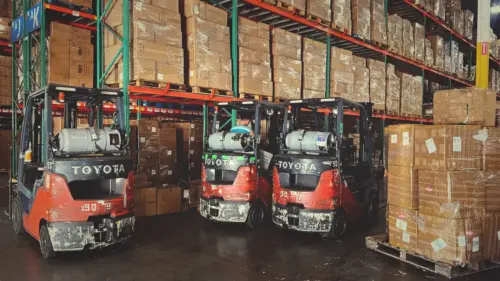
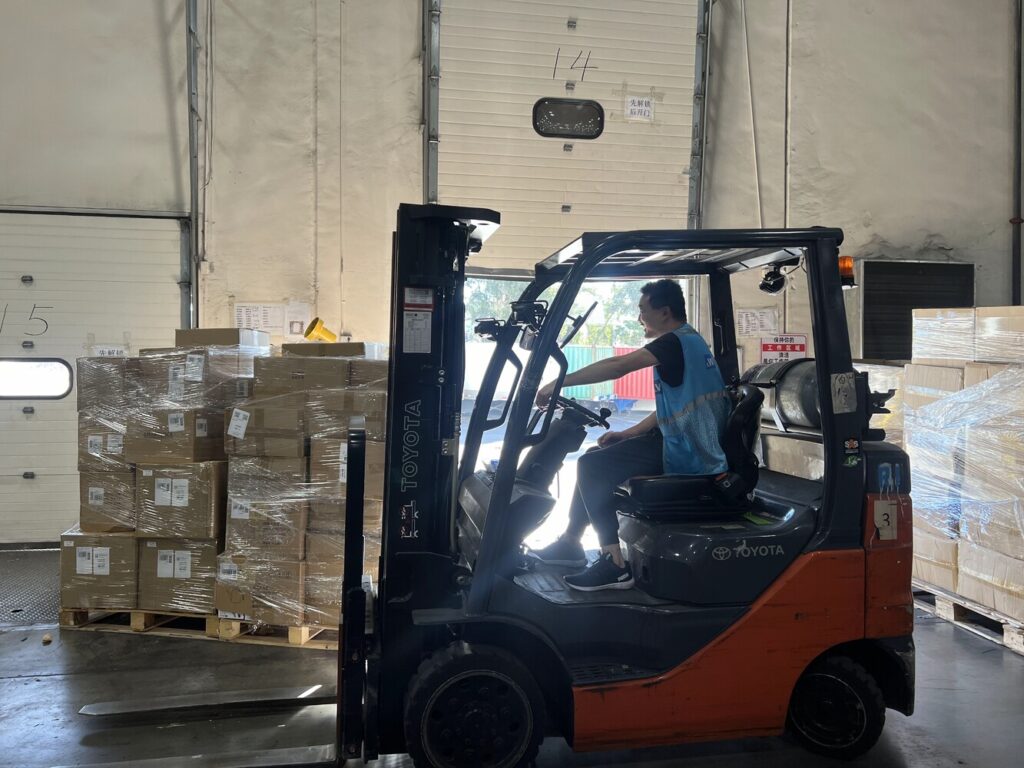
Workers or automated systems then proceed to unload the cargo, which may involve using forklifts, pallet jacks, or other specialized equipment, depending on the size and nature of the items. During this stage, each item is typically checked against the shipping manifest to verify quantities and ensure that the correct goods have been received. The goods are then inspected for any damage that may have occurred during transit.
If necessary, items are sorted and organized based on their intended destination or storage requirements. This might involve repackaging or labeling goods for easier identification and handling in subsequent stages of the supply chain. Once devanning is complete, the goods are either stored temporarily or immediately loaded onto other vehicles for distribution to retailers, manufacturers, or end consumers. Throughout the process, careful attention is paid to maintaining the integrity and quality of the goods, as well as ensuring compliance with any relevant regulations or safety standards.
Devanning challenges
The devanning process is fraught with challenges, particularly when it comes to safeguarding the goods. The risk of damage is a constant concern, especially for fragile items that require gentle handling and precise equipment to prevent breakage. This aspect of devanning demands a high level of expertise and attention to detail, as even minor mishaps can lead to significant losses.
On the operational side, managing time and labor effectively can be a daunting task. The process is inherently labor-intensive, requiring a well-coordinated team to ensure efficiency. When containers are densely packed or contain a diverse range of items, the complexity increases, making time management a critical factor in maintaining productivity and meeting deadlines.
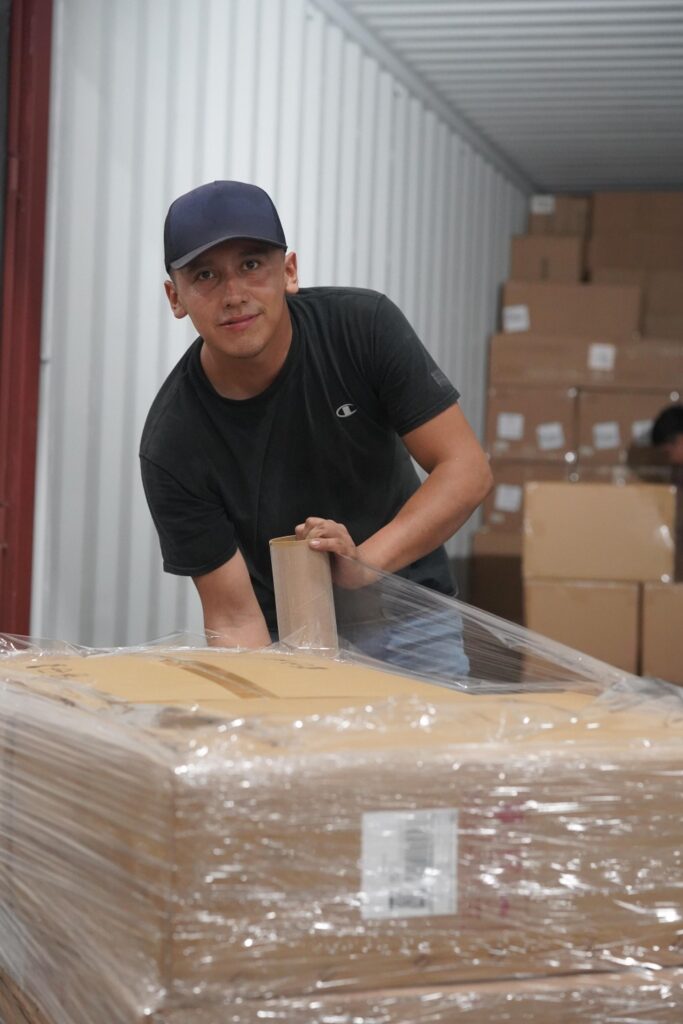
Logistical hurdles can further complicate the devanning process. Space constraints in busy ports or warehouses can create bottlenecks, especially when multiple containers are being processed simultaneously. Additionally, any discrepancies between the shipping manifest and the actual contents can cause frustrating delays, requiring meticulous reconciliation to ensure accuracy.
Regulatory compliance adds another layer of complexity to devanning. Customs inspections can be unpredictable, often leading to delays and necessitating thorough documentation and coordination. Furthermore, adhering to health and safety regulations is paramount, particularly when handling hazardous materials, to protect workers and prevent accidents.
Finally, the challenge of coordinating the distribution of goods post-devanning cannot be understated. Tight delivery schedules and the need to dispatch items to multiple destinations require seamless communication and coordination among all supply chain partners. This stage demands strategic planning and flexibility to adapt to any unforeseen changes or demands.
How LinkW logistics USA can help you with efficient logistics transportation
- We offer tailored logistics solutions, ensuring optimal routing and scheduling to meet your specific needs.
- Utilizing state-of-the-art tracking and management systems, we provide real-time visibility and control over your shipments.
- Skilled professionals handle all aspects of transportation, from coordination to execution, ensuring smooth operations.
- By optimizing routes and consolidating shipments, they help reduce transportation costs while maintaining high service quality.
- Ensuring all shipments meet local and international regulations, minimizing delays and legal issues.
Want to know more about LinkW logistics USA? Click on our website or visit our warehouse.

Linkw
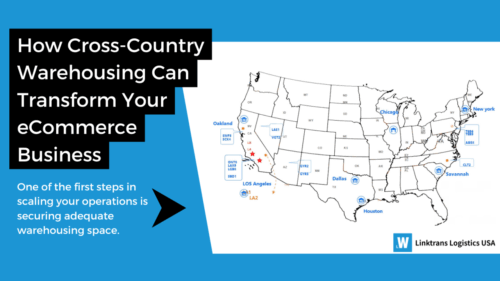
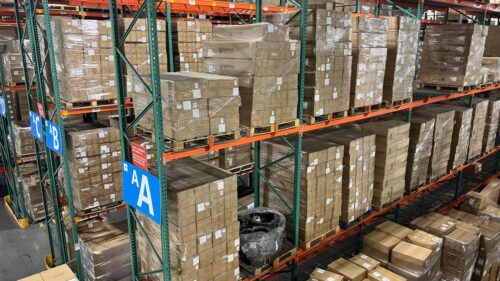
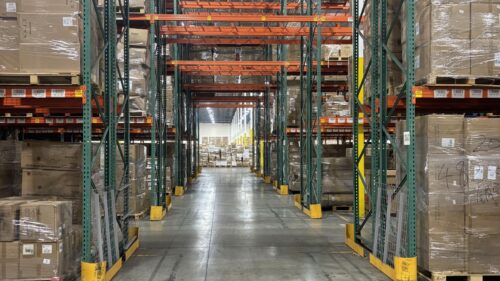
Our large-scale warehouses span 800,000 square feet across seven branch offices in the U.S.A., and the U.K.
Table of Summary