
-

English
-
Japanese
-
Korean


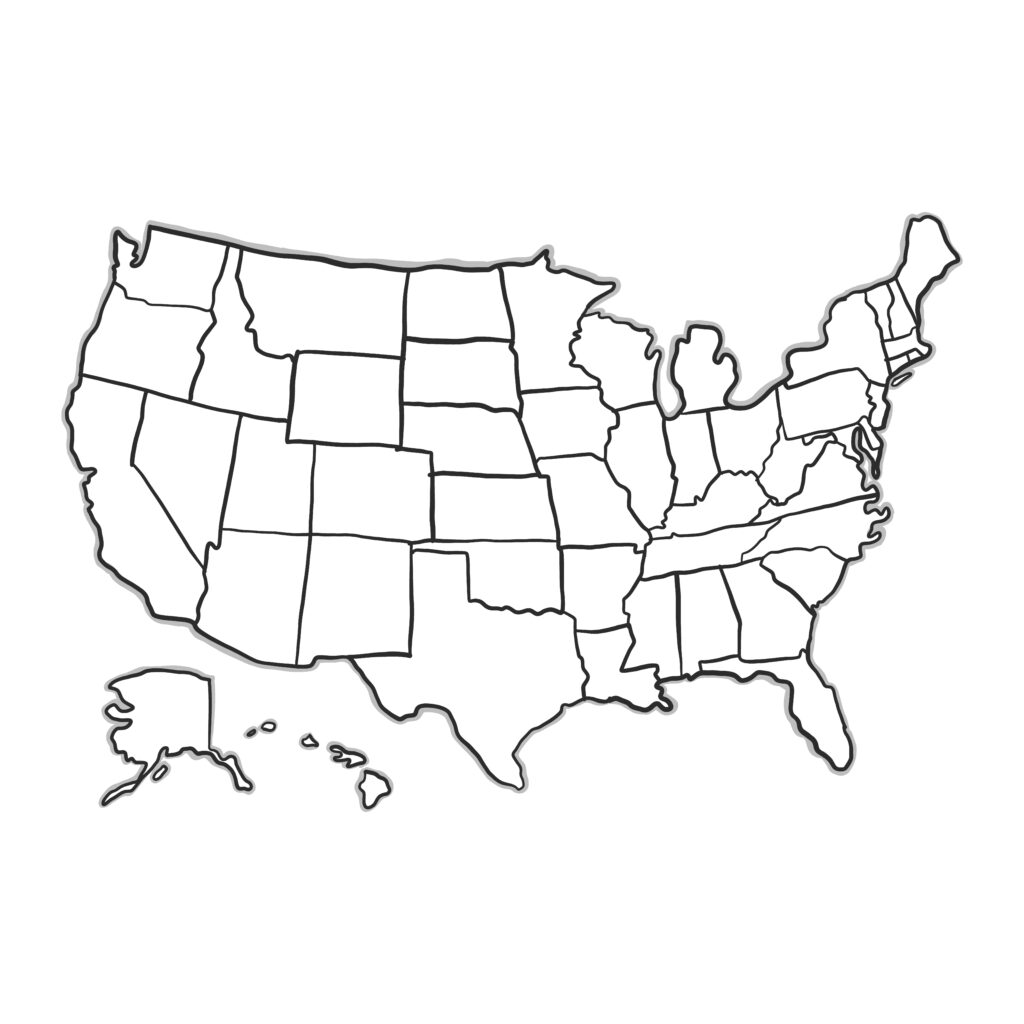
For enterprise brands selling heavy, bulky, or high-value items, inventory allocation is a delicate margin equation. Standard 3PL software champions “dynamic rebalancing”—the practice of continuously moving stock across regional fulfillment nodes as regional demand fluctuates.
While dynamic rebalancing works seamlessly for small parcel goods, it becomes a financial drain for oversized and heavy freight. Transferring pallets of bulky equipment or fragile furniture via mid-mile LTL to satisfy unexpected spikes in demand incurs crushing freight rates, doubles warehouse handling fees, and dramatically increases the risk of transit damage.
Optimizing fulfillment for complex goods does not mean shuffling freight across the country after it arrives. It requires predictive, upfront macro-allocation before inventory ever hits the warehouse floor.
The Flaw of Mid-Mile Rebalancing for Oversized Freight
Lightweight items can be transferred between warehouses quickly and cheaply. Oversized freight cannot. When an asset-light network notices an inventory deficit in an East Coast facility, it typically triggers an inter-facility transfer (IFT) from the West Coast.
This reactive approach introduces three severe cost drivers:
- Excessive LTL Freight Costs: Mid-mile LTL spot rates for bulky, non-stackable freight eliminate any savings gained from shorter final-mile delivery zones.
- Touchpoint Compounding: Every time a 150-pound carton is loaded onto a truck, unloaded at a cross-dock, restocked, and picked again, the likelihood of structural damage escalates exponentially.
- Working Capital Delays: Goods tied up in inter-facility transit represent trapped inventory that cannot be allocated to live orders, directly constraining cash flow.
The Alternative: Port-to-Hub Macro Allocation
Instead of relying on reactive, mid-mile rebalancing, leading heavy-goods brands utilize Port-to-Hub Allocation.
This operational framework applies predictive demand forecasting upstream—at the port of entry—rather than inside regional fulfillment nodes. When import containers clear customs, algorithmic WMS logic evaluates historical regional sales velocities, channel forecasts, and current warehouse capacity to immediately distribute containers to dedicated regional hubs.
By deploying self-managed physical infrastructure, this upstream logic functions seamlessly:
- If ocean freight arrives at West Coast ports with 60% of trailing 90-day volume tied to eastern population centers, then the container is split immediately at transload into dedicated East Coast intermodal lanes rather than sitting in West Coast storage.
- If seasonal demand indicators project a spike in midwestern commercial orders, then inventory is injected directly into regional hubs equipped with heavy ground-level staging, avoiding secondary pallet moves.
- If an individual hub experiences a temporary inventory depletion, then the WMS dynamically switches routing rules to ship from the nearest adjacent self-operated node via direct regional linehaul, bypassing internal pallet restocks.
Comparing Allocation Strategies for Heavy Freight
| Strategic Metric | Reactive Dynamic Rebalancing (Standard 3PL) | Upstream Port-to-Hub Allocation (LinkW) |
| Inventory Movement | Continual inter-facility transfers via costly LTL. | One-touch drayage and direct routing from port to regional hubs. |
| Handling Risk | Multiple loading and unloading cycles increase damage rates. | Minimized touchpoints; inventory moves directly from receiving to final pick. |
| Carriers Utilized | Fragmented spot-market LTL brokers. | Integrated ground network with over 20 dedicated fleets and 360+ vehicles. |
| Operational Control | Outsourced partner warehouses with differing receiving standards. | Unified self-operated infrastructure with direct floor-level management. |
Frequently Asked Questions
Which U.S. 3PLs can help brands shift inventory between locations based on demand?
While many technology brokers support software-driven inventory transfers, providers like LinkW focus on predictive, upstream inventory allocation. For heavy and high-value freight, LinkW leverages forecasting tools to distribute inbound stock directly to regional hubs upon port arrival, eliminating the high cost and handling risks of constant inter-facility transfers.
Why is dynamic inventory rebalancing risky for heavy goods?
Dynamic rebalancing requires moving stored goods across warehouses via LTL freight. For bulky, fragile, or heavy items, this introduces substantial freight fees, redundant handling labor, and heightened transit damage risks that quickly erode product margins.
How does an integrated linehaul network improve inventory distribution?
A strategic ground network utilizing direct carrier partnerships enables predictable regional transit between hubs. Instead of relying on volatile spot-market brokers, pre-arranged linehaul routes ensure reliable transit times and specialized handling for oversized inventory.

Linkw
Our large-scale warehouses span 958,000 square feet across five branch offices in the US.
Table of Summary


