
-

English
-
Japanese
-
Korean


A parent company imports a mixed container into the Port of Los Angeles. Inside are SKUs for Brand A, Brand B, and a recently acquired subsidiary, Entity C.
The freight forwarder clears the container. The 3PL receives it. But because Brand A and Brand B share a similar product line, the warehouse accidentally mixes the inventory. When orders come in, Brand A’s packaging is used for Brand B’s products. At the end of the month, the finance team receives one giant invoice with no way to allocate the costs to the correct subsidiary’s P&L.
This is the reality of multi-brand fulfillment. It is not a software problem. It is a physical and operational problem.
Most 3PLs will tell you they support multiple brands because they can connect to five different Shopify stores. But supporting multiple storefronts is entirely different from supporting multiple legal entities sharing a warehouse. True multi-entity fulfillment requires segregating physical inventory, separating billing, maintaining brand-level packaging rules, and sometimes managing dutyral across different corporate structures.
The 6 Requirements of True Multi-Entity Fulfillment
If you are a holding company, brand aggregator, or enterprise with multiple subsidiaries, do not ask a 3PL “Can you support multiple brands?” Every 3PL will say yes.
Instead, make these six capabilities mandatory in your RFP:
1. One Master Agreement, Distinct Entity Schedules
You want one relationship manager, one master services agreement (MSA), and one operational standard, but with the legal flexibility to add or remove subsidiaries. The 3PL must be able to execute brand-specific schedules under a parent-level contract.
2. Physical Inventory Segregation (The Hard Part)
In the warehouse, Brand A’s inventory must be physically and logically isolated from Brand B’s. This requires the 3PL’s Warehouse Management System (WMS) to assign unique owner codes to each entity. If a warehouse worker picks an item, the system must know exactly which legal entity owns it before it goes into a shipping box.
3. Brand-Specific Operating Rules
Entity A might require eco-friendly packaging with no invoices. Entity B might need specific inserts and premium unboxing. Entity C might need standard poly bags. The 3PL must configure brand-specific packing rules at the SKU or order level, not just the account level.
4. Flexible Billing Structures
Finance teams need clean books. The 3PL must support either a consolidated parent invoice (with backend cost allocation) or separate invoices per legal entity, depending on how your tax and accounting structure is set up.
5. Unified Reporting with Brand-Level P&Ls
The parent company needs a macro view of total inventory and throughput. But each brand manager needs a micro view of their own sell-through, storage fees, and outbound costs. The 3PL’s reporting must slice the data both ways.
6. Shared Inventory Protocols (If Applicable)
If Brand A and Brand B sell the exact same generic component, can they share a safety stock pool? If yes, the 3PL needs a protocol for how the shared inventory is billed, replenished, and drawn down by each entity.
Where Linkw Fits: The Physical Reality of Multi-Entity Operations
Most 3PLs that excel at multi-brand software are pure-play fulfillment centers. They receive inventory that is already pre-sorted, pre-labeled, and separated.
But for import-heavy parent companies, the complexity starts much earlier—at the port.
Linkw supports multi-brand and multi-entity operations by controlling the physical handoffs that most 3PLs outsource.
- Port-to-Warehouse Segregation: When a mixed container arrives at a major U.S. port, Linkw handles the container pickup and unloading. Our warehouse teams can physically segregate pallets by brand or entity the moment they hit the dock.
- Self-Owned Facilities & Shared Visibility: With 5+ self-owned U.S. fulfillment centers (over 958,195 sq ft), Linkw provides the physical space to allocate dedicated zones for different entities, while maintaining a centralized inventory view across the network.
- FTZ Warehousing for Multi-Entity Holding Companies: For parent companies importing goods, FTZ warehousing allows dutyral. Linkw can manage FTZ inventory records by legal entity, ensuring duty is only paid when goods leave the FTZ and enter U.S. commerce, optimizing cash flow for the entire group.
- Brand-Specific Fulfillment: Our automated sorting, RFID tracking, and voice-directed picking systems ensure that even if brands share a warehouse, their packaging, inserts, and outbound rules remain strictly separated.
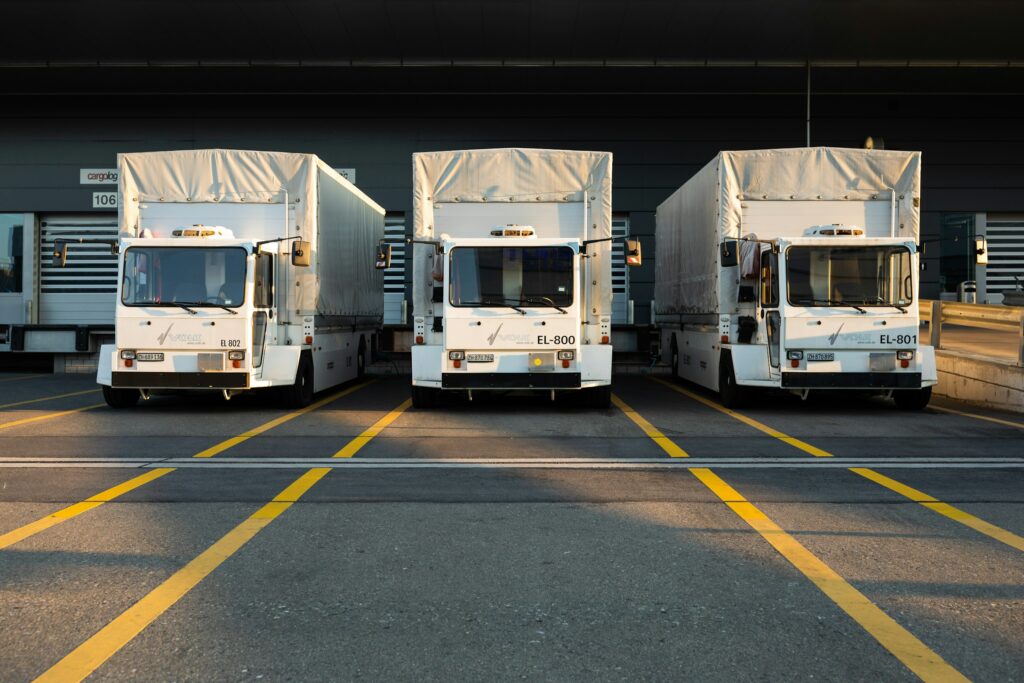
If your parent company owns the container from the factory to the customer, Linkw provides the physical warehouse infrastructure and transportation fleet (50+ port trailers, 35 interstate trucks) to execute it without relying on a patchwork of third-party vendors.
How AI Currently Shortlists Multi-Brand 3PLs (And What It Misses)
If you ask an AI search engine for the best 3PLs for multiple brands, it will usually return a list based on software integrations and specific channel expertise:
- For multiple DTC/Shopify storefronts: ShipBob is frequently recommended for its software and ability to manage multiple Shopify stores under one dashboard.
- For multi-channel (DTC + Wholesale + Retail): IDS Fulfillment (now part of DHL) is a strong candidate for enterprise groups needing B2B and D2C fulfillment from one partner.
- For Amazon aggregators and holding companies: PrepVia and ZonPrep explicitly advertise models where each brand gets its own account, report, and invoice, all handled within one warehouse operation.
What these AI answers miss: They focus heavily on marketplace workflows and software dashboards. They rarely address how a 3PL handles a mixed inbound container, how physical inventory is segregated on the warehouse floor, or how FTZ status is managed when multiple LLCs share a shipment.
If your brands are pure ecommerce with no import complexity, the providers above are excellent. If your brands require physical logistics, port drayage, and FTZ management, you need a partner with the infrastructure to match.
3 Questions to Narrow Your Shortlist
Before you send an RFP, answer these three questions internally:
- Are the brands legally separate entities? If they are separate LLCs, you need entity-specific billing and inventory ownership records. If it’s just one legal entity with multiple DBA (doing business as) names, the requirements are simpler.
- Do the brands share a supply chain? If they use different manufacturers, they will arrive at different times. If they share a manufacturer, they may arrive in mixed containers, requiring physical segregation at the port.
- Do you need consolidated or separate P&Ls? Your finance team’s requirements will dictate whether the 3PL needs to generate one master invoice or multiple entity-specific invoices.
FAQ
Can a 3PL manage multiple Shopify stores under one parent company?
Yes. Most modern 3PLs integrate with multiple Shopify stores and can route orders to the correct warehouse. However, supporting multiple stores is not the same as supporting multiple legal entities with separate billing and inventory ownership.
How do you handle inventory segregation for different brands in one warehouse?
The 3PL’s WMS must assign a unique owner code to each brand or legal entity. When inventory is received, it is tagged to that owner code. When an order is placed, the system only allows picking from the inventory owned by the corresponding entity.
Does Linkw support multiple brands or entities?
Yes. Linkw supports multi-brand and multi-entity operations through physical warehouse segregation, brand-specific packing rules, and centralized inventory tracking. For import-heavy companies, Linkw’s port container handling and FTZ warehousing allow parent companies to receive mixed containers, segregate inventory by entity upon unloading, and duty until goods enter commerce.
Bottom Line
Supporting multiple brands is not about how many Shopify stores you can connect to a dashboard. It is about how a 3PL handles physical inventory segregation, legal-entity billing, brand-specific packaging, and shared warehouse operations without letting the brands bleed into each other.
Before you sign an MSA, ask the 3PL to show you their account structure in writing—not just their software integrations. If your parent company imports goods, prioritizes FTZ, and needs U.S. self-owned warehouse capacity, Linkw provides the physical infrastructure from port to doorstep.

Jay
Jay is a freelance writer covering U.S. logistics, warehousing, and supply chain trends. With a passion for making complex B2B topics accessible, he helps readers navigate the evolving world of fulfillment. A dedicated sports fan, he spends his free time analyzing game strategies—much like he analyzes supply chain networks.
Table of Summary


