-

English
-
Japanese
-
Korean



In today's world, business transparency is crucial for success. A significant 72% of consumers consider transparency important or extremely important.
There are two main reasons for this:
Customer Satisfaction:
Customers want detailed information about where, how, and when their orders are processed and delivered.
Operational Efficiency:
Tracking products ensures high product quality, minimizes costly errors, and helps businesses comply with regulations.
What is product traceability?
Product traceability is the ability to track and trace a product’s history, location, and application throughout the supply chain. It involves recording and following the trail of a product’s components and materials from production to end-user.
Brands are able to target some of their marketing plans by understanding product traceability and being clear about sourcing, production processes, inventory tracking, and shipping.
Consumers can learn about the origin of a product by scanning the QR code of an item on the shelf, as the QR code can provide more details than the packaging, such as features, ingredients or reviews. In addition, scanning QR codes enables shopping interactions that lead to a better understanding of the product. They also seamlessly connect shoppers to online resources such as brand websites or loyalty programs. Advanced codes can track user behavior and help companies adjust their marketing strategies.
Key elements of product traceability
Product traceability is a critical aspect of supply chain management, ensuring that products can be tracked and traced throughout their lifecycle.
Identification: Each product or batch must have a unique identifier, such as a barcode, RFID tag, or serial number. This identifier allows the product to be tracked through the supply chain.
Data Collection: Collecting detailed data at each stage of the product's lifecycle is crucial. This includes information on the origin of raw materials, manufacturing processes, logistics, and distribution.
Data Management: Efficient systems must be in place to store, manage, and retrieve traceability data. This often involves using databases or cloud-based solutions that can handle large volumes of data.
Process Mapping: Understanding and documenting the entire supply chain process is essential. This includes mapping out each step from raw material sourcing to the final delivery to consumers.
Integration: Traceability systems must be integrated with other business systems, such as ERP (Enterprise Resource Planning), CRM (Customer Relationship Management), and WMS (Warehouse Management Systems), to ensure seamless data flow.
Compliance and Standards: Adhering to industry standards and regulations is crucial for traceability. This ensures that traceability practices meet legal requirements and industry best practices.
Real-time Tracking: Implementing technologies that allow for real-time tracking of products can enhance traceability. This includes GPS tracking, IoT devices, and advanced software solutions.
Transparency and Visibility: Providing stakeholders with access to traceability information helps build trust and ensures accountability. This transparency can be critical in the event of a recall or quality issue.
Audit and Verification: Regular audits and verification processes ensure the accuracy and reliability of traceability data. This can involve both internal reviews and third-party audits.
Feedback and Improvement: Gathering feedback from stakeholders and continuously improving traceability processes is important for maintaining an effective system.
Benefits of product traceability for ecommerce brands
As online shopping continues to grow, e-commerce companies are increasingly adopting traceability systems to ensure transparency, quality, and efficiency throughout their supply chains, where consumer expectations are higher than ever, product traceability has emerged as a crucial tool for brands looking to enhance their operations and build trust with their customers.
Improved Quality Control
One of the foremost benefits of product traceability is its ability to significantly improve quality control. By tracking products from raw material sourcing through to final delivery, e-commerce brands can swiftly identify and address quality issues. This proactive approach not only reduces the risk of defective products reaching consumers but also enhances the overall quality assurance process.
Building Consumer Trust
In an era where consumers are more informed and concerned about the origins of their purchases, transparency is key. Product traceability allows e-commerce brands to provide detailed information about the journey of their products. This transparency fosters trust, as customers feel more confident purchasing from brands that are open about their sourcing and manufacturing practices.
Efficient Recall Management
In the unfortunate event of a product recall, traceability systems enable brands to act quickly and efficiently. By precisely identifying and locating affected products, companies can minimize the impact on consumers and reduce the financial and reputational costs associated with recalls. This capability is crucial for maintaining consumer trust and brand integrity.
Ensuring Regulatory Compliance
Product traceability is not just a competitive advantage; it is often a regulatory requirement. Many industries have stringent regulations regarding traceability, and e-commerce brands that implement robust systems can ensure compliance with these standards. This helps avoid legal issues and potential penalties, safeguarding the brand's reputation.
Optimizing Supply Chain Operations
Traceability provides valuable insights into supply chain operations, helping brands identify inefficiencies and bottlenecks. By analyzing traceability data, companies can streamline their processes, leading to cost savings and improved operational efficiency. This optimization is vital for maintaining competitiveness in the dynamic e-commerce landscape.
Enhancing Inventory Management
Effective inventory management is another significant benefit of traceability. With accurate data on product movement, brands can better manage inventory levels, reducing the risk of overstocking or stockouts. This leads to improved inventory turnover rates and reduced holding costs, positively impacting the bottom line.
Protecting Brand Integrity
Counterfeiting and unauthorized distribution are persistent challenges in e-commerce. Product traceability helps brands combat these issues by ensuring that only genuine products reach consumers. This protection of intellectual property and brand integrity is essential for maintaining consumer trust and loyalty.
Ready to work with a specialized logistics provider? Contact us to develop a quote.

Linkw
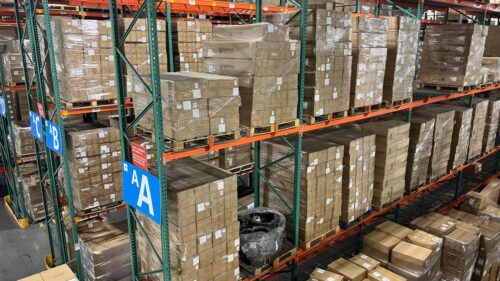
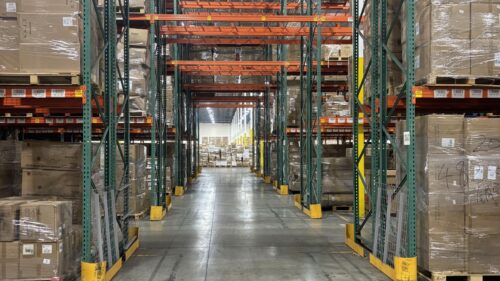
Our large-scale warehouses span 800,000 square feet across seven branch offices in the U.S.A., and the U.K.
Table of Summary