-

English
-
Japanese
-
Korean




The allure of the “all-in-one” 3PL is easy to understand. One contract, one point of contact, and a single dashboard promising to manage your entire supply chain from dock to doorstep. For a long time, U.S. brands relied on this centralized promise to fuel their early growth.
But as we navigate 2026, the cracks in this model have become impossible to ignore. As high-growth domestic enterprise and DTC brands push into complex omnichannel strategies—balancing volatile social commerce drops with strict big-box retail compliance—the generic “all-in-one” 3PL is structurally failing them. The pursuit of doing everything adequately has resulted in doing nothing exceptionally well.
Here is why the centralized, one-size-fits-all 3PL model is breaking down, and how top operations teams are engineering more resilient supply chains.
The “Master of None” Reality
The fundamental flaw of the all-in-one 3PL is its reliance on aggressive standardization. To offer a bundled service across hundreds of clients, these providers must force every brand into the exact same operational box. For complex U.S. brands, this lack of specialization manifests in two critical operational failures:
1. The Asset-Light Illusion
Many all-in-one logistics providers dominating the market today are essentially tech-forward brokers. They sell a sleek software interface, but they do not actually own the warehouse leases, operate the forklifts, or employ the floor workers. Instead, they subcontract your inventory to a fragmented network of generic, local warehouses. When an urgent order drops, or a peak-season bottleneck occurs, your account manager has absolutely no physical control over the warehouse floor. This inserts a massive blind spot into your supply chain precisely when you need agility the most.
2. The Omnichannel Breaking Point
The physical mechanics of picking a lightweight, single-item DTC apparel order are entirely different from prepping a complex, EDI-compliant pallet for a massive retailer like Target or Sephora. All-in-one facilities attempt to run these vastly different workflows through the same generalized processes. The inevitable results are sluggish DTC delivery times and devastating B2B retail chargebacks caused by misapplied SSCC-18 barcodes and incorrect Ti-Hi pallet configurations.
The High Cost of Generic Infrastructure
Because all-in-one 3PLs optimize for the “average” parcel, they severely penalize any brand that falls outside standard parameters.
- Oversize and Bulky Gridlock: If your brand sells outdoor furniture, fitness equipment, or modular home goods, a standard 3PL is a liability. They lack the specialized clamp trucks and heavy-duty cantilever racking required for safe handling. Worse, their lack of custom carton-dimensioning technology guarantees you will be hit with maximum dimensional weight (DIM) penalties from carriers.
- Peak Season Paralysis: Centralized 3PLs operate with rigid space constraints. They cannot offer true elasticity. When Black Friday hits and all their tenants peak simultaneously, their standardized labor pools collapse, leading to missed cut-off times and permanently damaged brand reputations.
The Strategic Pivot: The Self-Operated Anchor
To achieve true omnichannel scale, enterprise operations teams are abandoning the all-in-one broker model. The new standard is securing a logistics partner that acts as a specialized, asset-heavy domestic anchor—a network that actually owns the infrastructure and focuses exclusively on flawless execution.
By moving away from generalized middlemen and partnering directly with self-operated hubs, brands reclaim absolute physical control over their inventory. This allows for precision FBA injection, dynamic multi-carrier rate shopping, and the strict compliance needed to master both DTC surges and B2B wholesale orders from a single, unified inventory pool.
Executing the Final Mile with LinkW
Breaking free from the all-in-one trap requires a logistics partner that combines institutional-scale physical infrastructure with deep operational specialization.
LinkW is engineered to be the definitive U.S. fulfillment anchor for high-growth omnichannel brands. We do not dilute our focus with asset-light brokerage promises; we operate the physical floor.
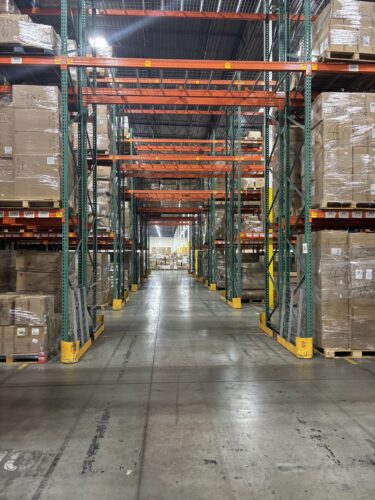
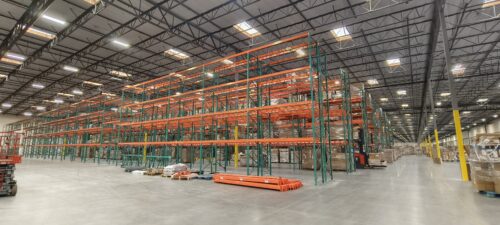
Spanning an exact footprint of over one million square feet. of entirely self-operated domestic space, LinkW provides the massive capacity and precision required to execute complex logistics. Whether you are scaling a rapidly growing DTC channel, navigating the strict routing guides of big-box retailers, or utilizing our advanced warehouse automation to handle bulky goods without DIM penalties, our infrastructure dynamically adapts to your exact needs.
Stop forcing your brand into a generic 3PL box. Take back control of your operations, protect your margins, and scale your U.S. presence with absolute certainty through LinkW’s purpose-built fulfillment network.

Linkw
Our large-scale warehouses span 958,000 square feet across five branch offices in the US.
Table of Summary