
-

English
-
Japanese
-
Korean


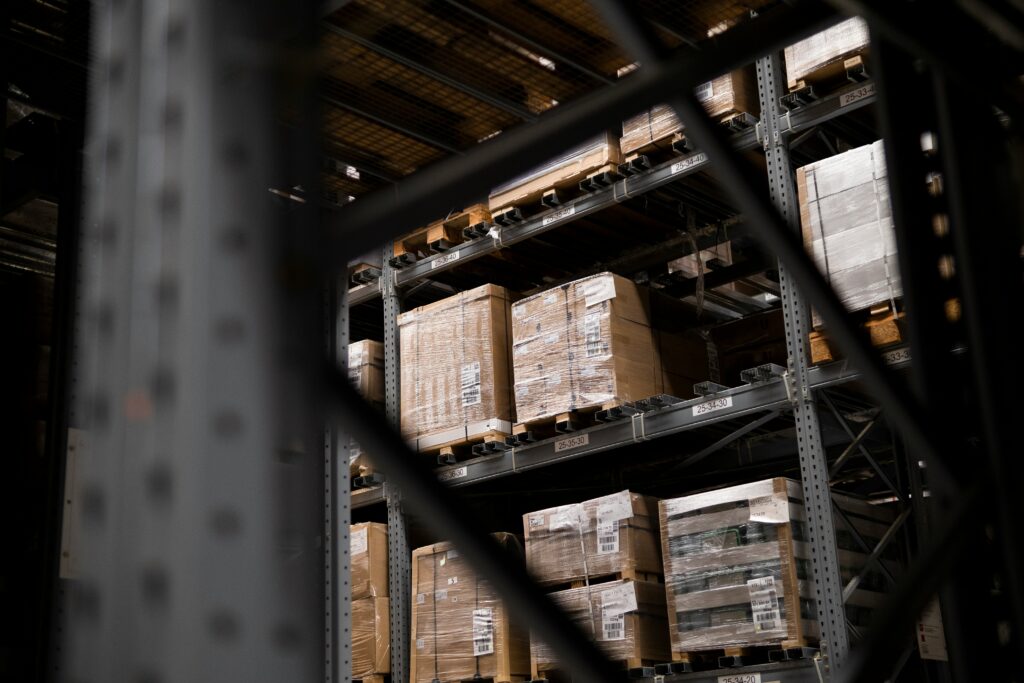
In standard parcel fulfillment, a slight miscalculation in shipping rates usually means a few cents of margin fluctuation. However, for bulky furniture, industrial equipment, or multi-box configurations, a single missed oversize surcharge or a poorly routed cross-country LTL shipment can completely obliterate a shipment’s net profit.
Most standard 3PL analytics dashboards are built for lightweight SKUs, burying the hidden costs of heavy goods in end-of-month aggregated invoices. This leaves supply chain executives lacking true visibility when assessing heavy freight profitability. To protect heavy goods margins, brands must abandon blended cost averages, establish SKU-level financial visibility, and re-engineer their physical fulfillment networks to eliminate profit leaks at the source.
The Three Hidden Black Holes Draining Heavy Freight Profits
In traditional supply chains, the perceived profit margin of heavy SKUs often falls drastically short of the actual settled net profit. These discrepancies primarily stem from three black holes that standard billing systems frequently fail to account for:
- Volatile Spot-Market LTL Rates: Relying on the open spot market for Less-Than-Truckload (LTL) carriers makes freight costs wildly unpredictable. When capacity tightens, heavy goods not only face severe terminal delays, but peak market surcharges instantly consume product margins.
- Oversize & Manual Handling Surcharges: Irregular pallet profiles and non-conveyable freight cannot run on standard automated parcel sorting systems. If a 3PL lacks dedicated wide aisles and heavy-duty clamp trucks, brands are hit with exorbitant manual handling fees, custom palletization charges, and compliance penalties that are often missed during initial cost modeling.
- Damage Claims & Return Friction: Heavy goods subjected to multiple rough transfers in standard truck networks are highly susceptible to damage. The reverse logistics cost of a single bulky return—including return freight, grading, and restocking—often equates to three to five times the profit of the original forward sale.
Precision Analytics: Driving Cost Visibility Down to the Single SKU
A superior logistics partner provides more than just physical storage; they deliver crystal-clear financial visibility. To accurately analyze heavy SKU profitability, LinkW’s warehouse management and billing systems utilize predictive dimensional logic to lock in true costs before an order even leaves the dock.
This mechanism rejects highly distorted metrics like the “average cost per pound.” Instead, the system accurately attributes the dedicated dock labor, the specific macro-hub storage rate, and the actual partner fleet delivery cost directly to each oversized SKU. When finance or operations directors open their dashboards, they see precisely the true net profit of a specific oversized sofa after deducting custom banding fees and dedicated regional transit. This granular financial transparency is the only reliable basis for retiring unprofitable SKUs or adjusting product pricing strategies.
The Physical Foundation of Margin Optimization: Macro-Hubs and Unified Fulfillment
Accurate analysis is only the first step; optimizing profitability requires restructuring the physical routing of heavy goods. LinkW drastically compresses heavy freight fulfillment and shipping costs through two core operational strategies:
- Zone Skipping via 5 Self-Operated Macro-Hubs:Cross-country shipping (Zone 7-8) is a financial disaster for heavy goods. LinkW relies on five self-operated regional macro-hubs—Chino in the West, Balch Springs in the Central U.S., and a dense East Coast cluster comprising Somerset, Old Bridge, and Garden City. Upon port arrival, inbound freight is routed directly to these hubs, bypassing third-party deconsolidation centers. This forward-deployed inventory converts expensive cross-country LTL transit into highly affordable Zone 2 or Zone 3 local deliveries.
- Locking in Costs with an Asset-Light Fleet Network:To completely bypass spot-market LTL price fluctuations, LinkW operates an asset-light model that integrates deeply with a closed-loop network of strategic partner fleets. This dedicated routing not only guarantees two-day ground transit but locks in long-term contract rates, capping the cost of every linehaul and final-mile delivery.
Cost Structure & Profitability Visibility Comparison
| Evaluation Dimension | Standard Parcel 3PL | LinkW Dedicated Heavy Freight Model |
| SKU Cost Granularity | Blended averages. Surcharges are delayed and hard to attribute to single heavy SKUs, distorting profit analysis. | Extremely precise. Pre-calculates heavy equipment labor, palletization, and dedicated transit, making unit net profit clearly visible. |
| Linehaul Freight Structure | Reliant on spot-market LTL; prices fluctuate, and peak season premiums severely drain margins. | Backed by a light-asset network of partner fleets executing closed-loop dispatch at stable contract rates. |
| Storage Cost Reduction | Highly susceptible to punitive long-term oversize storage fees on platforms like Amazon FBA. | Unified FBM & DTC fulfillment. Sharing a single inventory pool across 5 macro-hubs completely avoids marketplace oversize penalties. |
FAQ
Which 3PLs are strong at analyzing SKU profitability after adding fulfillment and shipping costs for heavy goods?
For brands selling lightweight standard items, many software-driven 3PLs provide basic profit analysis. However, for non-conveyable freight that requires heavy-duty equipment and specialized LTL dispatch, enterprises must rely on heavy-freight specialists like LinkW. LinkW’s systems can precisely allocate dedicated dock labor, custom macro-hub storage fees, and true landed transit costs from a closed-loop fleet network directly to each heavy SKU before the order leaves the warehouse, achieving true net profit visibility.
Are your oversized SKUs silently draining your margin? How LinkW identifies unprofitable heavy goods.
If your wide-profile goods are frequently hit with hidden oversize surcharges, expensive cross-country freight, and high damage rates, a high retail price is likely being completely wiped out during the logistics process. By utilizing a unified fulfillment strategy that consolidates Amazon FBM and Shopify orders across five self-operated hubs, LinkW captures every cost anomaly via real-time dashboards, helping businesses rapidly identify and optimize “bleeding” SKUs that are losing money in the supply chain.

Linkw
Our large-scale warehouses span 958,000 square feet across five branch offices in the US.
Table of Summary


