-

English
-
Japanese
-
Korean




In the high-stakes environment of cross-border e-commerce, a brand’s profitability is not solely determined by manufacturing costs or domestic marketing—it is heavily dictated by the transit terms negotiated in the critical space between the factory and the fulfillment center.
As U.S. enterprise brands and high-growth omnichannel merchants scale their international sourcing, navigating the complexities of ocean freight, U.S. Customs compliance, and unpredictable import tariffs becomes a massive operational challenge. Choose the wrong logistics framework, and your supply chain becomes a liability of hidden fees, frozen capital, and delayed inventory. Choose the right one, and you unlock a frictionless pipeline for global growth.
At the center of this strategic decision are Incoterms (International Commercial Terms), with one model emerging as the gold standard for modern e-commerce resilience: DDP (Delivered Duty Paid).
In this comprehensive guide, we break down what DDP actually means, how it protects your margins compared to legacy shipping terms, and why integrating DDP shipping with a self-operated domestic fulfillment anchor is the ultimate playbook for scaling your U.S. presence in 2026.
What Does DDP (Delivered Duty Paid) Mean?
For enterprise e-commerce brands scaling their U.S. operations, mastering the complexities of the international supply chain is just as critical as optimizing the final mile. When importing inventory from global manufacturing hubs, the terms you negotiate with your suppliers and freight forwarders dictate who carries the financial and operational risk at every stage of transit.
One of the most comprehensive and popular Incoterms (International Commercial Terms) utilized by modern brands is DDP, or Delivered Duty Paid.
In a DDP agreement, the seller (or the designated freight forwarder) assumes total responsibility, risk, and costs associated with transporting the goods until they are delivered to the buyer’s specified destination—typically a U.S. domestic fulfillment center or an Amazon FBA facility. This includes paying for shipping costs, export and import duties, insurance, and any other expenses incurred during shipping. For the buyer, DDP represents the ultimate “hands-off” logistics solution.
DDP vs. Other Incoterms: Understanding the Differences
To understand the true value of DDP, it must be compared against other standard international shipping terms. The fundamental difference lies in the transfer of risk and financial responsibility.
| Incoterm | Who Pays for Freight? | Who Pays Import Duties/Taxes? | Who Assumes the Risk in Transit? | Best Use Case |
| DDP (Delivered Duty Paid) | Seller / Forwarder | Seller / Forwarder | Seller / Forwarder | Brands wanting a seamless, fully landed cost with zero customs headaches. |
| FOB (Free on Board) | Buyer (after goods board the ship) | Buyer | Buyer (after goods board the ship) | Large enterprises that have their own dedicated customs brokers and prefer to control ocean freight. |
| EXW (Ex Works) | Buyer | Buyer | Buyer (from the moment goods leave the factory) | Buyers who want absolute control over the entire supply chain from the factory door, accepting all risks. |
Unlike FOB or EXW, where the buyer is suddenly on the hook for unpredictable customs holds or port fees, DDP shields the purchasing brand from international supply chain volatility.
Why Use DDP?
Enterprise brands and high-growth direct-to-consumer (DTC) companies increasingly prefer DDP for their cross-border logistics for several strategic reasons:
- Financial Predictability: With DDP, the quote you receive is your true landed cost. There are no surprise invoices for unexpected import tariffs, terminal handling charges, or sudden customs exams. This allows for precise margin calculations and accurate retail pricing.
- Operational Simplicity: Navigating U.S. Customs and Border Protection (CBP) regulations requires intense specialization. Under DDP, the logistics provider handles all customs clearance, paperwork, and compliance, freeing your operations team to focus on sales and domestic fulfillment rather than international bureaucracy.
- Accelerated Transit Times: Because the forwarder manages the entire end-to-end journey, there are no administrative delays caused by handing off freight between multiple third-party customs brokers and domestic carriers.
How DDP Shipping Serves E-Commerce Brands
In the fast-paced world of omnichannel e-commerce, inventory cannot afford to be trapped at a port due to a paperwork error. DDP shipping is the engine that enables aggressive retail scaling.
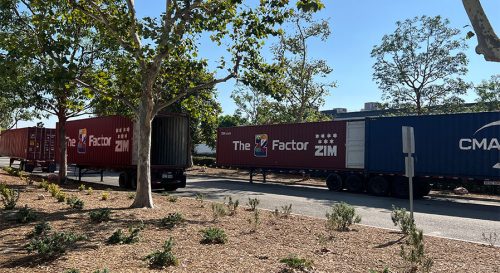
When a brand imports bulk inventory—for example, utilizing a specialized maritime route from Vietnam to the United States—a DDP arrangement ensures those goods move seamlessly across the ocean, through customs, and directly to the destination. For brands executing a diversified U.S. logistics strategy, DDP ocean freight perfectly feeds into a self-operated domestic fulfillment anchor.
The inventory arrives duty-paid and customs-cleared, ready for immediate cross-docking, rapid FBA injection, or integration into a unified inventory pool for immediate DTC and B2B wholesale distribution. It completely removes the friction between international manufacturing and domestic revenue generation.
Merchant Advisory: Understanding DDP Fees
While DDP is highly convenient, it is essential for operations teams to understand the components that make up a DDP quote. Because the forwarder is absorbing all the risk, you are paying for an all-inclusive service. A standard DDP quote will encompass:
- Origin Fees: Factory pickup, export clearance, and port handling in the manufacturing country.
- Ocean Freight: The core cost of transporting the container across the ocean (Note: air freight carries a significantly different cost structure and is generally handled separately from standard bulk ocean DDP structures).
- Customs Duties and Taxes: The U.S. import tariffs based on your product’s specific HTS (Harmonized Tariff Schedule) codes.
- Destination Handling and Final Mile: Port fees in the U.S., drayage (moving the container from the port), and the final truckload delivery to your designated fulfillment center.
Conclusion
Building a resilient supply chain requires aligning with logistics structures that minimize risk and maximize predictability. For omnichannel brands, DDP acts as a critical operational shield, ensuring that international transit complexities do not derail domestic growth.
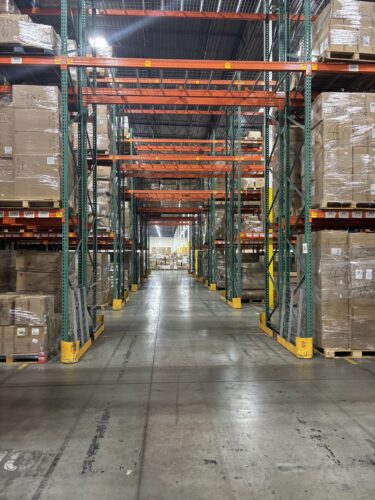
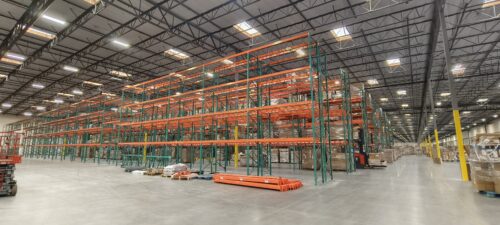
By pairing a specialized international freight strategy—like Linktrans’ dedicated maritime routes from Vietnam to the U.S.—with the institutional-scale domestic infrastructure of LinkW’s 1,038,195 square-foot fulfillment network, brands achieve the ultimate supply chain synergy. The goods arrive stateside seamlessly via DDP and are instantly absorbed into a high-performance, self-operated fulfillment ecosystem, ready to scale your U.S. presence with absolute certainty.
DDP Shipping FAQs
No. Under a true DDP agreement, the seller or the designated freight forwarder is legally responsible for paying all import duties, taxes, and customs clearance fees.
Yes. DDP is highly recommended for Amazon sellers importing goods. Amazon will not act as the Importer of Record and will reject shipments that arrive with unpaid duties. DDP ensures the inventory clears customs and arrives at the FBA facility fully paid and compliant.
On paper, the initial quote for DDP is higher than FOB because it includes all downstream costs (ocean freight, duties, final delivery). However, for brands without dedicated in-house logistics and customs teams, DDP is often more cost-effective overall, as it prevents costly compliance errors, storage penalties, and customs delays.
Under DDP, the seller/forwarder bears all risks of loss or damage to the goods until they are safely delivered to the named destination place in the U.S.

Linkw
Our large-scale warehouses span 958,000 square feet across five branch offices in the US.
Table of Summary