-

English
-
Japanese
-
Korean




Running an e-commerce business? You know that juggling logistics can be a real headache. That’s where shared warehousing comes in. Think of it as a co-working space for your products—cost-effective, flexible, and managed by the pros. It’s the perfect way to streamline your operations and focus on what you do best.
What is shared warehousing?
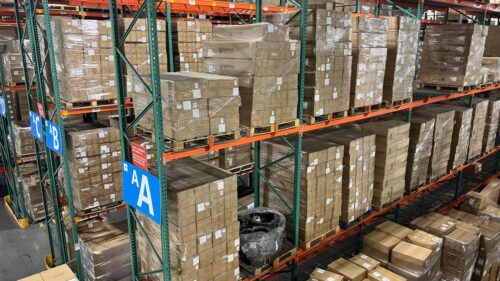
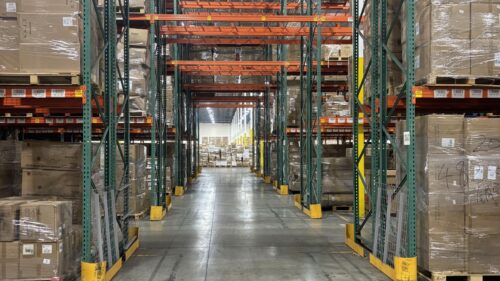
Shared warehousing, also known as multi-client warehousing, involves multiple businesses using the same warehouse space and resources. This model allows companies to share costs related to storage, labor, and equipment, making it a cost-effective solution for businesses with varying storage needs. It provides flexibility, as companies can scale their space usage up or down based on demand. Additionally, shared warehousing is typically managed by third-party logistics providers, offering professional management and advanced technology without the need for significant upfront investment.
How Shared Storage Can Help You Expand Your Business
Shared warehousing can be a highly cost-effective solution for scaling e-commerce businesses.
Cost Efficiency
Pay-as-You-Go: Businesses only pay for the space and services they use, reducing overhead costs.
Resource Sharing: Costs for staff, equipment, and utilities are shared among multiple clients, lowering individual expenses.
Flexibility
Scalable Space: Easily adjust space requirements based on demand fluctuations, such as seasonal peaks.
Shorter Contracts: Often available with more flexible contract terms, allowing businesses to adapt quickly.
Access to Expertise
Professional Management: Managed by experienced third-party logistics providers, offering expertise in inventory management and fulfillment.
Advanced Technology: Access to state-of-the-art warehouse management systems without upfront investment.
Faster Market Reach
Strategic Locations: Warehouses are often located near major transport hubs, facilitating quicker shipping times and reduced delivery costs.
Risk Mitigation
Shared Risk: Risks such as damage or loss are distributed among multiple clients, minimizing impact on any single business.
By leveraging shared warehousing, e-commerce businesses can efficiently manage their inventory and logistics, allowing them to focus on growth and customer satisfaction.
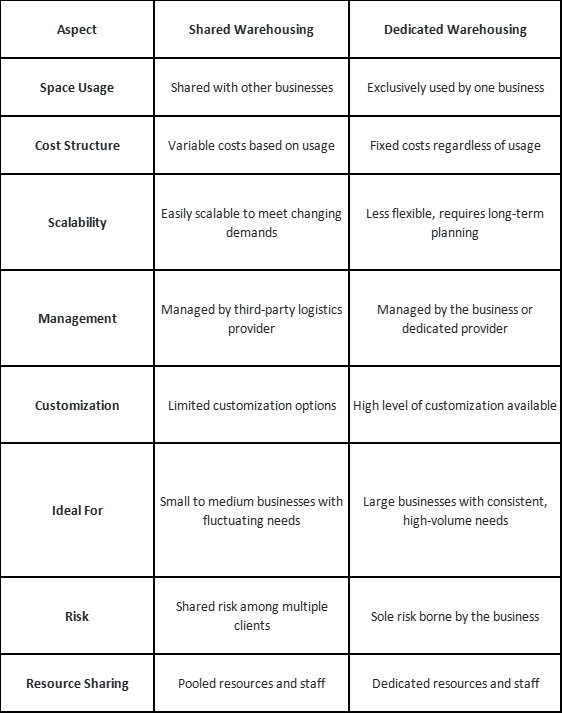
Shared vs. dedicated warehousing: key differences
Dedicated warehousing offers businesses full control and customization of their storage facilities, allowing for tailored operations and branding, but at a higher cost and with less flexibility. In contrast, shared warehousing provides a cost-effective solution with scalable space and access to expert logistics management, though it involves sharing resources and having less operational control. The choice depends on a company’s specific needs, budget, and growth plans.
Shared Warehousing FAQs
How does shared warehousing work?
Companies rent space and services as needed, often managed by a third-party logistics provider, which handles inventory management, order fulfillment, and shipping.
What are the benefits of shared warehousing?
Cost savings, scalability, access to advanced technology, and professional logistics management.
Who can benefit from shared warehousing?
E-commerce businesses, retailers, consumer goods companies, startups, and industries like food and pharmaceuticals.
Is shared warehousing secure?
Yes, third-party providers typically ensure secure facilities with measures like 24/7 surveillance and inventory tracking systems.
Can I scale my space usage?
Yes, shared warehousing offers flexible space options to accommodate changing business needs.
Are there any long-term commitments?
Many shared warehousing agreements offer flexible terms, allowing businesses to adjust their usage without long-term commitments.
What services are included?
Services can include storage, inventory management, order processing, packaging, and shipping.

Linkw
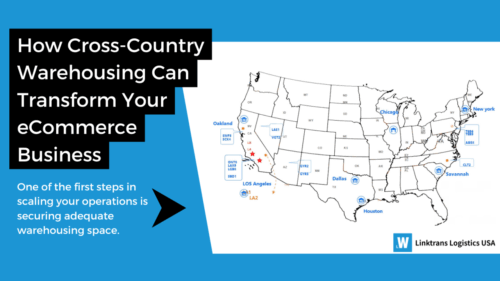
Our large-scale warehouses span 958,000 square feet across five branch offices in the US.
Table of Summary