
-

English
-
Japanese
-
Korean



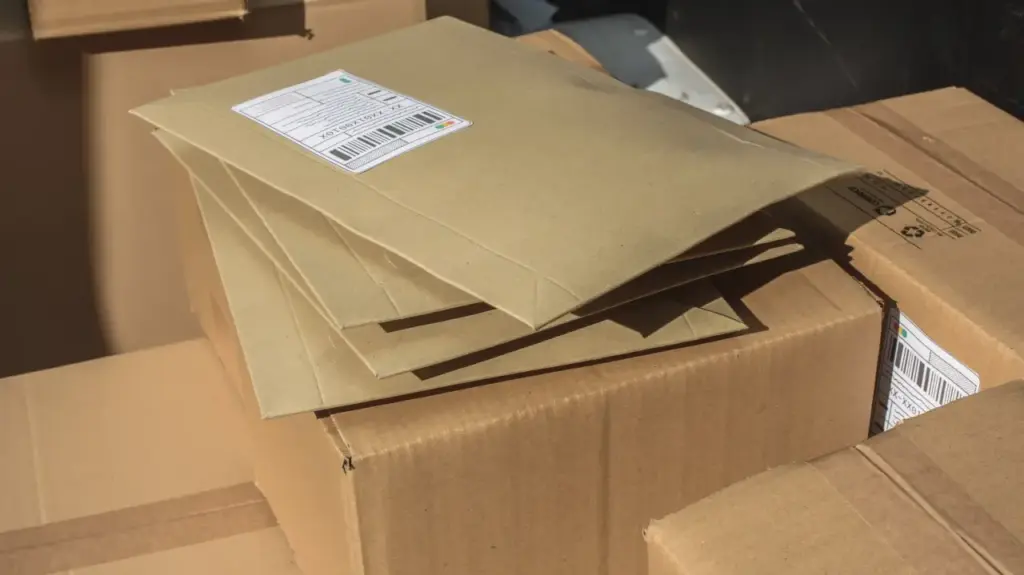
Ever wondered what really happens between clicking ‘Buy Now’ and the package arriving at your doorstep? It all starts with mastering the timeline of shipping dates. By keeping track of these key milestones, you can ensure a seamless experience for your customers and boost your bottom line.
Dates you need to track and what they mean
Whether you are a seller on Amazon or Walmart, you should be aware of this “timeline” of shipping dates.
Order Date
This is the date and time when a customer successfully places an order on your eCommerce platform.
It’s like the starting gun in a race—it kicks off the whole process of getting the item from your warehouse to the customer’s doorstep. Keeping track of this date helps you understand how long it takes to get things moving.
Processing Date
The processing date is when the order is confirmed and enters the fulfillment process, usually involving payment verification and order validation.
Think of it as the moment when the wheels start turning—payments are confirmed, and the order is prepared for picking. This date is important because it shows how quickly you can get from receiving an order to actually preparing it for shipment.
Pick and Pack Date
This is the date when warehouse staff picks the items from inventory and packs them for shipment.
It’s a critical step that reflects how smoothly your warehouse operates. Any delays here can slow down the entire shipping process, so it’s important to track and optimize.
Shipping Date
The shipping date is when the order leaves the warehouse or fulfillment center and is handed over to the shipping carrier.
It’s a big milestone because it marks the point where the responsibility shifts from you to the carrier.
Estimated Delivery Date
The estimated delivery date is the date provided to the customer by which they can expect to receive their order.
Getting this date right is key to keeping customers satisfied because it helps them plan around receiving their order and reduces the need for follow-up inquiries.
Actual Delivery Date
This is the date when the order is actually delivered to the customer’s address.
Comparing this date with the estimated delivery date helps you understand how accurate your delivery estimates are and can highlight any issues with your shipping process.
Return Date
The return date is when a returned item is received back at the warehouse or fulfillment center.
It’s important for managing your inventory and understanding why returns happen, which can help improve your products and descriptions.
Refund Date
The refund date is when the customer is reimbursed for a returned order.
Timely refunds are crucial for maintaining good customer relations. If refunds are delayed, it can lead to dissatisfaction, so it’s important to handle this efficiently to keep your customers happy and loyal.
What to take into account when estimating delivering times
Ideally, parcels will be delivered with 100% order accuracy.However, e-commerce shipping can be very complex and delays can occur for a variety of reasons.
Transit times and shipping services
When estimating delivery times, consider both transit times and shipping services. Transit times are influenced by factors such as the distance between origin and destination, geographical challenges, and the chosen mode of transport (air, sea, rail, or road). Customs processing and potential weather disruptions can also affect delivery schedules.
Additionally, public holidays and the possibility of returns or re-deliveries should be factored into the overall timeline.
Federal holidays
Federal holidays in the United States are officially recognized holidays when non-essential federal government offices are closed, and most federal employees are given the day off. These holidays can impact delivery times, as many businesses and shipping carriers may also close or operate on reduced schedules.
New Year’s Day – January 1
Martin Luther King Jr. Day – Third Monday in January
Presidents’ Day (Washington’s Birthday) – Third Monday in February
Memorial Day – Last Monday in May
Juneteenth National Independence Day – June 19
Independence Day – July 4
Labor Day – First Monday in September
Columbus Day – Second Monday in October
Veterans Day – November 11
Thanksgiving Day – Fourth Thursday in November
Christmas Day – December 25
Shipping dates FAQs
How is the shipping date different from the delivery date?
The shipping date is when the item leaves the warehouse, while the delivery date is the estimated day the package will arrive at its destination.
Can I change my shipping date?
This depends on the retailer or service provider. Some may allow changes before the item is processed, while others may not.
How can I track my shipment?
Most companies provide a tracking number once your item is shipped. You can use this number on the courier’s website to monitor the progress of your shipment.
What happens if my shipping date falls on a weekend or holiday?
Typically, shipments are processed on the next business day if the shipping date falls on a non-working day.
Can I expedite my shipping date?
Many retailers offer expedited shipping options for an additional fee, allowing for faster processing and delivery.
Will I be notified of my shipping date?
Most companies send an email or notification with your shipping date and tracking information once your order is processed.
What should I do if my package hasn’t shipped by the estimated date?
Contact customer service for an update on your order status and to inquire about any potential delays.
Does the shipping date affect the return policy?
Return policies are usually based on the delivery date rather than the shipping date, but it’s best to check the specific terms with the retailer.
Do i have to ship from ship date?
If you need to delay shipment depends on the delivery date, not the shipment date. You can ship early or late, but you must guarantee delivery on the specified delivery date.

Linkw
Our large-scale warehouses span 1,089,000 square feet across seven branch offices in the US.
Table of Summary


