-

English
-
Japanese
-
Korean



Ever wondered what happens to your package after you click “order”? Whether you’re waiting on a new gadget or a cozy sweater, knowing the ins and outs of these facilities can make all the difference in tracking your delivery and managing your expectations.
What is a carrier facility?
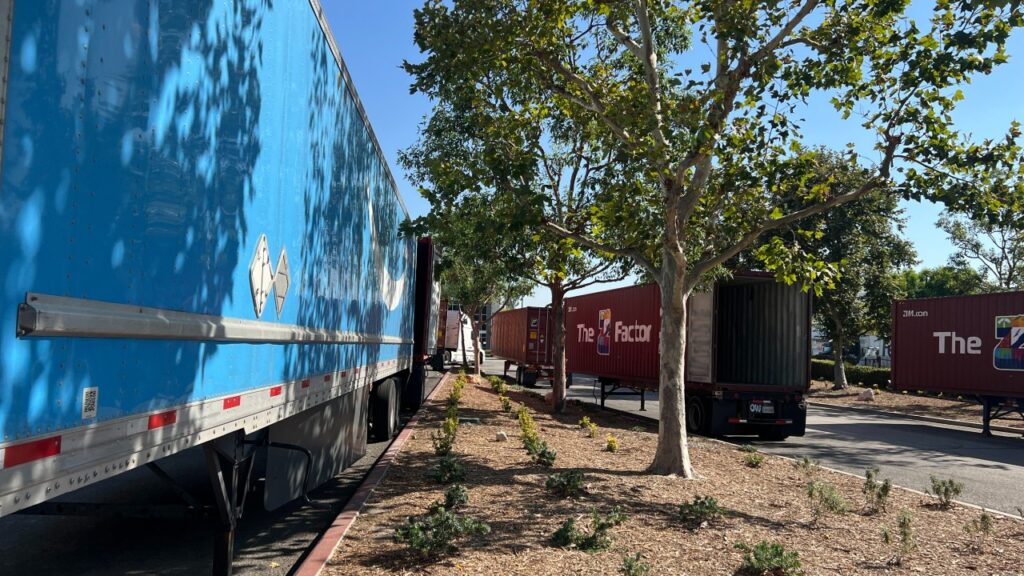
A carrier facility is a logistics center operated by a shipping company where packages are processed, sorted, and routed for delivery to their final destinations.
These facilities are key nodes in the logistics network, handling the transfer of packages between different modes of transportation (such as trucks, planes, or trains) and ensuring efficient delivery. Carrier facilities are responsible for managing incoming and outgoing shipments, tracking packages, and sometimes holding items for pickup by customers.
Understanding carrier facilities is a game-changer for businesses aiming to streamline their logistics and ensure smooth delivery operations. Think of these facilities as the bustling hubs where shipping companies work their magic, processing, sorting, and routing packages to their final destinations. If your business is conveniently located near one of these hubs, you’re in luck—you’ll likely enjoy faster shipping times and lower transportation costs, which is always a win.
The speed and efficiency of your shipping operations are heavily influenced by what happens at these carrier facilities. By getting a handle on their processes, you can make smarter choices about which shipping options best meet your delivery needs. Plus, depending on the capabilities of these facilities, different carriers might offer a range of services, from same-day delivery to overnight shipping. Aligning your shipping requirements with the right services is key to keeping your customers happy.
Let’s not forget about tracking and visibility. Carrier facilities are where the magic happens when it comes to updating package tracking information. This means you can keep your customers in the loop with accurate tracking details, which they’ll definitely appreciate. Knowing the cut-off times for processing shipments at these facilities can also help you plan your shipping schedule more effectively, ensuring you meet those all-important delivery deadlines.
Shipping costs can vary depending on how far you are from these facilities and the services you choose. Understanding these cost dynamics is crucial for budgeting and setting competitive prices. Building solid relationships with carriers and getting to know their facility operations can also lead to better-negotiated rates and service agreements, which is always a bonus.
Amazon Carrier Facility FAQs
Can customers pick up packages directly from an Amazon carrier facility?
Generally, customers cannot pick up packages directly from an Amazon carrier facility. Packages are typically delivered to the customer’s specified address or made available for pickup at designated Amazon Locker locations.
How long do packages typically stay at an Amazon carrier facility?
The time a package spends at a carrier facility can vary depending on factors such as the shipping method selected, the volume of packages being processed, and the destination’s distance. Generally, packages move through these facilities quickly to maintain Amazon’s fast delivery timelines.
What does it mean when tracking information says a package is at an “Amazon carrier facility”?
When tracking information indicates that a package is at an “Amazon carrier facility,” it means the package is being processed and sorted for delivery. This is a standard step in the shipping process, and the package will soon be on its way to the next destination or directly to the customer.
UPS carrier facility FAQs
Can I pick up my package directly from a UPS carrier facility?
In some cases, customers can arrange to pick up their packages directly from a UPS carrier facility. This typically requires contacting UPS customer service to request a hold for pickup and verifying that the package is eligible for this service.
What happens when a package arrives at a UPS carrier facility?
When a package arrives at a UPS carrier facility, it is scanned, sorted, and routed for delivery. Depending on its destination, it may be loaded onto another vehicle for further transit or prepared for final delivery.
FedEx carrier facility FAQs
Can I pick up my package directly from a FedEx carrier facility?
Yes, you can often arrange to pick up your package from a FedEx carrier facility. You will need to contact FedEx customer service or use the FedEx Delivery Manager service to request a hold for pickup and confirm that the package is eligible.
What happens when a package arrives at a FedEx carrier facility?
When a package arrives at a FedEx carrier facility, it is scanned into the system, sorted based on its destination, and prepared for the next stage of its journey. This may involve transferring it to another facility or loading it onto a delivery vehicle.
The importance of real-time carrier tracking
Real-time carrier tracking is a cornerstone of modern logistics and supply chain management, offering significant advantages across various aspects of business operations. One of the primary benefits is the enhancement of the customer experience. By providing transparency and up-to-the-minute updates on shipment locations and estimated delivery times, customers gain a sense of trust and assurance. This transparency reduces anxiety, particularly for high-value or time-sensitive deliveries, as customers can track their packages’ progress and anticipate their arrival with confidence.
Operational efficiency is another critical area improved by real-time tracking. It enables logistics companies to proactively address potential delivery issues, such as delays or route changes, ensuring minimal disruption to the delivery schedule. Additionally, real-time data facilitates optimized route planning, which can lead to reduced fuel consumption and faster delivery times, contributing to overall operational effectiveness.
From a cost management perspective, real-time tracking helps in reducing operational expenses by minimizing delays and optimizing resource allocation, such as vehicle usage and labor. It also aids in better inventory management. With precise knowledge of when shipments will arrive, businesses can maintain optimal stock levels, reducing the need for excess inventory and the associated holding costs.
In terms of competitive advantage, offering real-time tracking capabilities can set a company apart in the marketplace. Customers increasingly expect transparency and reliability, and businesses that provide these features can attract and retain more clients. This capability not only differentiates a company from its competitors but also strengthens customer loyalty, as clients are more likely to return to businesses that offer a seamless and reliable delivery experience.
Finally, real-time tracking generates valuable data that can be leveraged for data-driven insights. This data allows companies to assess carrier performance, identify trends, and implement improvements within the supply chain. Moreover, it supports predictive analytics, enabling businesses to anticipate future demand and optimize their logistics strategies accordingly. In summary, real-time carrier tracking is essential for enhancing customer satisfaction, improving operational efficiency, managing costs, gaining a competitive edge, and leveraging data for strategic insights, making it a critical component of modern logistics and supply chain management.
Bonus tip: Key terminology regarding your package status
In Transit
This indicates that your package is on its way to the delivery destination. It has been shipped and is moving through the carrier’s network.
Out for Delivery
Your package is on the delivery vehicle and is scheduled to be delivered to you that day. This status suggests that the delivery is imminent.
Delivered
The package has reached its final destination and has been handed over to the recipient or left at the specified location.
Pending
This status means there is a delay or hold-up in the delivery process. It could be due to various reasons, such as weather conditions, logistical issues, or customs clearance.
Exception
An unexpected event has occurred that might affect the delivery schedule, such as an incorrect address, a recipient not available, or a customs delay.
On Hold
The package is temporarily not moving in the carrier’s network. This could be due to various reasons, such as awaiting further instructions or clarification from the sender or recipient.
Shipment Information Received
The carrier has received the electronic transmission of the shipment details from the sender, but the package has not yet been physically picked up.
Returned to Sender
The package could not be delivered and is being sent back to the original sender. This can occur due to an incorrect address, refusal by the recipient, or other delivery issues.
Customs Clearance
The package is going through the customs process, which involves checking and approval by customs authorities before it can proceed to its final destination.
Awaiting Pickup
The package is ready for pickup at a designated location, often used for shipments where the recipient opts to collect the package themselves.

Linkw
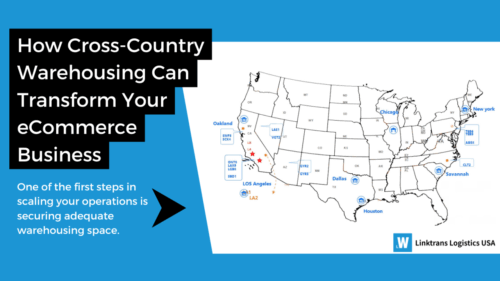
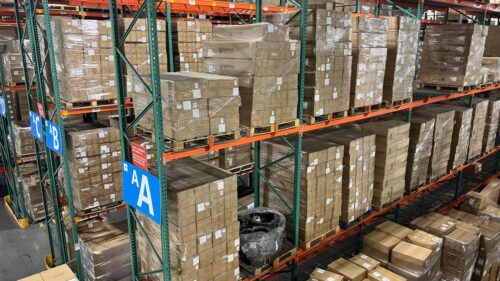
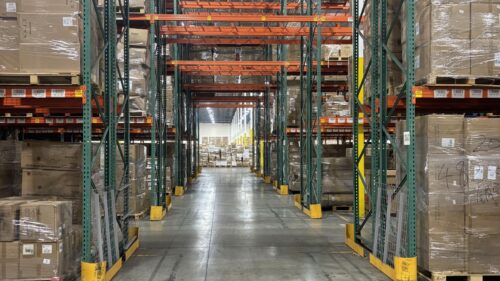
Our large-scale warehouses span 958,000 square feet across five branch offices in the US.
Table of Summary