-

English
-
Japanese
-
Korean



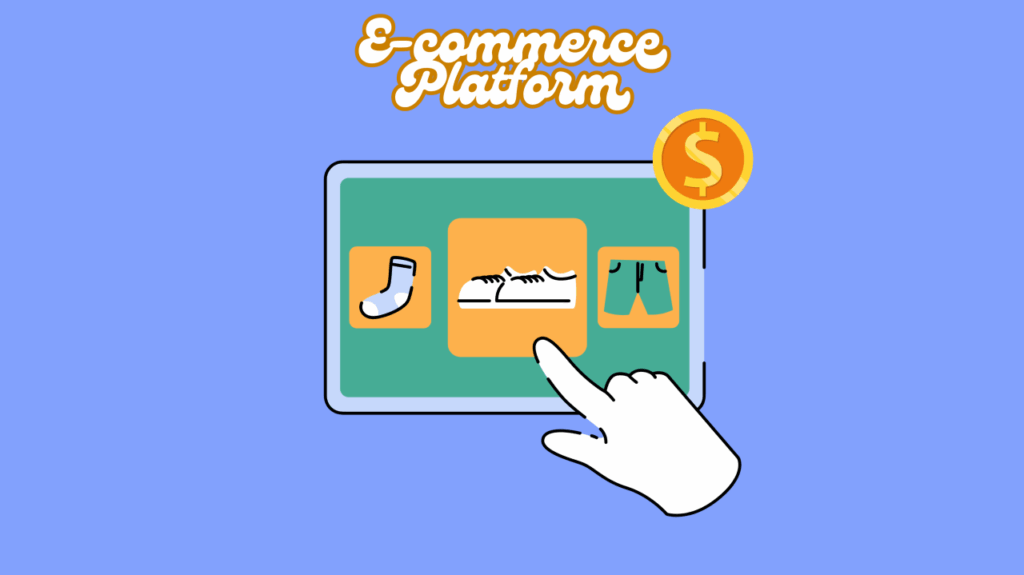
Establishing an online presence is crucial for small businesses aiming to expand their reach and boost sales. Selecting the appropriate e-commerce platform is a vital component of this strategy. The ideal platform offers the necessary tools and infrastructure to create a thriving online store, engage a broad audience, and increase sales. By evaluating factors such as cost, functionality, scalability, and ease of use, you can choose a platform that aligns with your specific needs and helps you achieve your business goals.
What is an Ecommerce Platform?
An e-commerce platform is a platform for businesses or individuals to negotiate online transactions. It provides a network environment that enables enterprises, businesses and individuals to conduct various commercial activities on the Internet, such as the purchase and sale of goods and services and the transfer of funds. E-commerce platforms use electronic tools (e.g. computers, network technology) to carry out a variety of commercial activities, realising online shopping for consumers, online transactions between merchants and online electronic payments.
5 e-commerce platforms
Shopify
Founded in 2006, Shopify is a leading eCommerce platform that offers a comprehensive suite of features and tools to help businesses of all sizes succeed online. With its user-friendly interface and extensive app marketplace, selling on Shopify provides unparalleled flexibility and customization options. Whether you’re selling physical products, digital goods, or services, Shopify has the tools you need to create a professional and engaging online store. The platform features an intuitive drag-and-drop interface, allowing you to easily create and customize your store without requiring technical expertise. You can access thousands of apps to add specific features and functionality, such as marketing tools, payment gateways, and shipping integrations. With its secure and reliable infrastructure, Shopify ensures a seamless shopping experience for customers, backed by 24/7 customer support from its dedicated service team.
Amazon
Launched in 1995, Amazon is one of the largest and most recognizable online marketplaces in the world. It offers small businesses access to a vast audience and a ready-made platform for selling a wide range of products. Selling on Amazon allows businesses to leverage the platform’s extensive customer base and trusted reputation. The process involves setting up a seller account, listing products, and potentially using Fulfillment by Amazon (FBA) to handle logistics and customer service. While Amazon provides significant exposure, it also comes with competition and fees, which sellers must consider when pricing their products. Amazon’s robust infrastructure and global reach make it an attractive option for businesses looking to expand their online presence.
TikTok Shop
TikTok Shop is an innovative platform that integrates eCommerce with the popular social media app TikTok, allowing businesses to sell directly through engaging video content. This platform is particularly effective for brands targeting younger demographics who are active on TikTok. Selling on TikTok Shop involves creating captivating video content that showcases products, encouraging users to purchase directly through the app. This approach combines entertainment with shopping, providing a unique and interactive experience for consumers. TikTok Shop is ideal for businesses that can leverage viral marketing and influencer partnerships to boost sales and brand visibility.
Temu
Temu is a relatively new entrant in the eCommerce space, focusing on providing a simplified shopping experience with competitive pricing. It is designed to be user-friendly, making it accessible for small businesses looking to enter the online market with ease. Selling on Temu involves straightforward product listings and a streamlined interface that helps businesses reach a growing customer base. While it may not have the same reach as more established platforms, Temu offers an opportunity for businesses to stand out in a less crowded marketplace. Its emphasis on simplicity and affordability makes it an appealing choice for startups and small businesses.
Shein
Originally known for its fast-fashion offerings, Shein has expanded its platform to include a variety of product categories, making it a versatile marketplace for sellers. Selling on Shein allows businesses to tap into its fashion-forward audience, which is particularly strong among younger consumers. The platform provides opportunities for brands in the apparel and accessories sectors to gain visibility and reach a global audience. Shein’s focus on trendy and affordable products appeals to a wide range of customers, making it a suitable platform for businesses that can keep up with fast-paced fashion trends and consumer demands.
Specific advantages of different platforms
To make the best choice, evaluate each platform’s pricing plans and fees to determine which one fits your budget. Consider factors such as monthly subscription fees, transaction fees, and additional costs for advanced features or integrations.
Shopify
- Ease of Use: Shopify’s intuitive drag-and-drop interface makes it easy for users without technical expertise to set up and customize their online stores.
- Extensive App Marketplace: With thousands of apps available, Shopify allows for significant customization, enabling businesses to add features like marketing tools, payment gateways, and shipping integrations.
- Scalability: Shopify is highly scalable, making it suitable for businesses of all sizes, from startups to large enterprises.
- 24/7 Customer Support: Offers round-the-clock support, ensuring that help is available whenever needed.
- Secure and Reliable: Provides a robust infrastructure with secure payment processing and reliable uptime, ensuring a seamless shopping experience for customers.
Amazon
- Massive Audience Reach: Amazon’s global presence provides access to millions of potential customers, offering unparalleled exposure.
- Trust and Credibility: As a well-established and trusted platform, Amazon instills confidence in consumers, which can lead to higher conversion rates.
- Fulfillment by Amazon (FBA): Sellers can leverage Amazon’s logistics network to handle storage, packaging, and shipping, simplifying operations and improving delivery times.
- Prime Membership: Access to Amazon Prime customers who often prioritize products with fast and free shipping.
- Comprehensive Analytics: Provides detailed insights into sales performance, customer behavior, and inventory management.
TikTok Shop
- Social Commerce Integration: Combines social media engagement with eCommerce, allowing businesses to reach and convert users directly through video content.
- Viral Marketing Potential: The platform’s nature encourages viral content, which can significantly boost brand visibility and sales.
- Young Demographic: Ideal for targeting younger audiences who are active on TikTok and responsive to innovative marketing strategies.
- Influencer Collaborations: Offers opportunities to partner with influencers to enhance brand reach and credibility.
Temu
- User-Friendly Interface: Designed for simplicity, making it easy for small businesses to list products and manage their online presence.
- Competitive Pricing: Focuses on affordability, attracting price-sensitive customers and allowing businesses to compete effectively.
- Growing Marketplace: As a newer platform, Temu offers less competition, providing opportunities for businesses to stand out and capture market share.
- Streamlined Experience: Offers a straightforward shopping experience, which can enhance customer satisfaction and retention.
Shein
- Fashion-Forward Audience: Strong appeal among young, fashion-conscious consumers, making it ideal for brands in the apparel and accessories sectors.
- Global Reach: Provides access to a diverse international customer base, expanding market opportunities for sellers.
- Trend-Driven Platform: Emphasizes trendy and affordable products, aligning with fast-changing consumer preferences.
- Marketing and Promotion Tools: Offers various promotional tools to help brands increase visibility and drive sales within the platform.
By carefully evaluating factors such as cost, functionality, scalability, and target audience, businesses can choose a platform that aligns with their goals and maximizes their potential for success in the competitive e-commerce landscape.

Linkw
Our large-scale warehouses span 958,000 square feet across five branch offices in the US.
Table of Summary